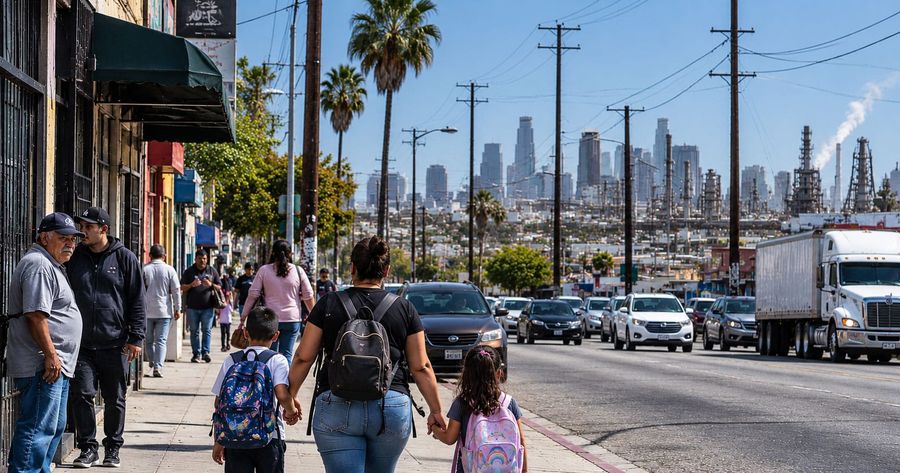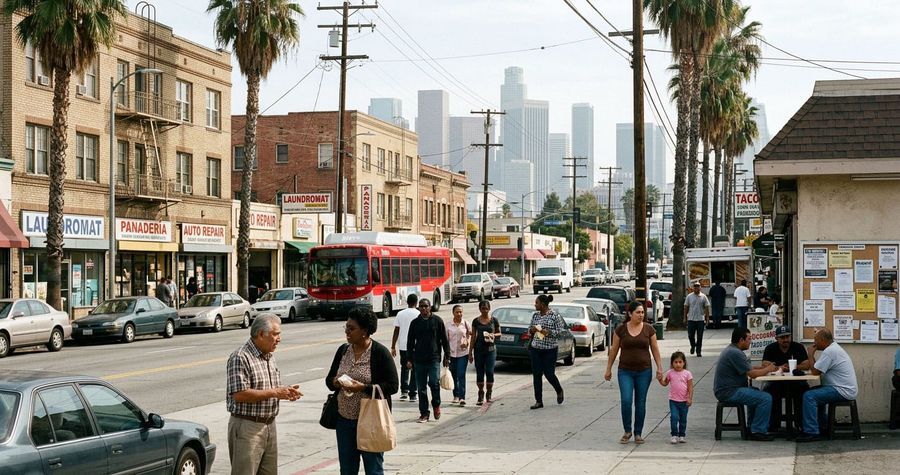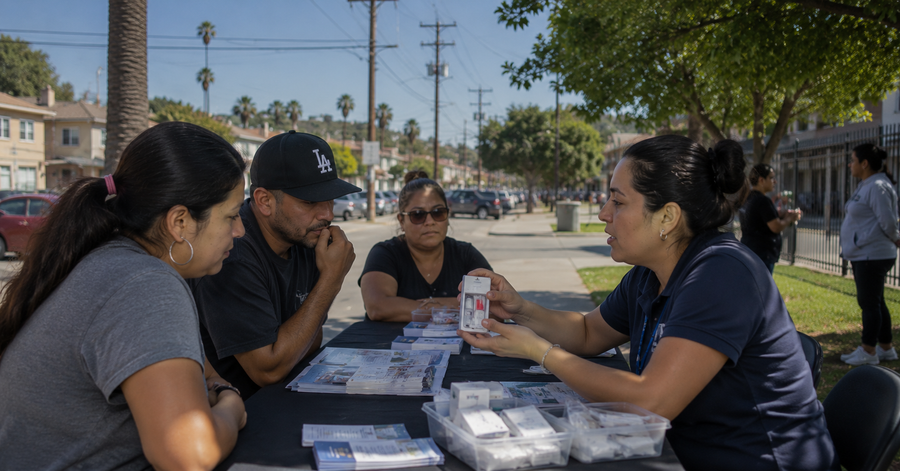
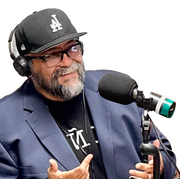
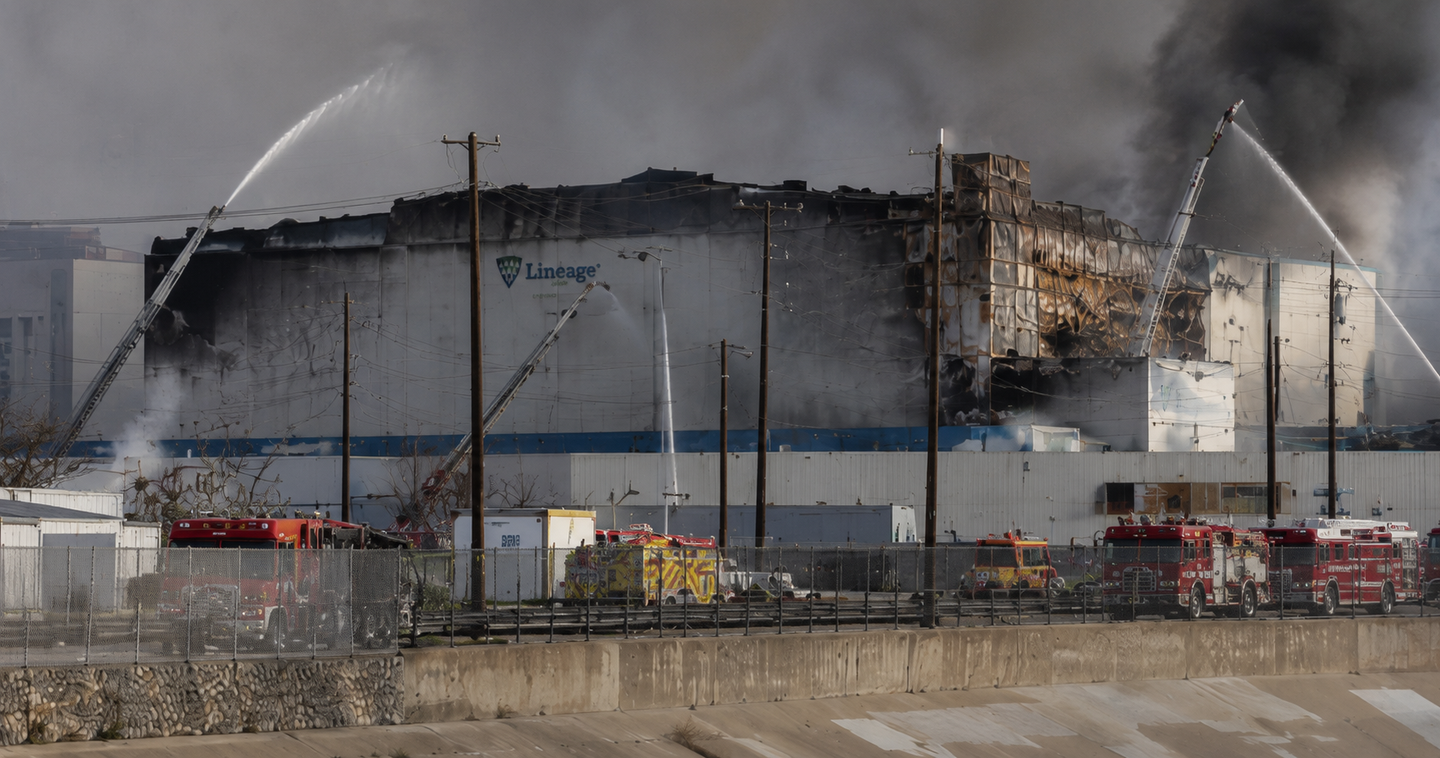
From Sacramento budget battles to the long recovery after the Boyle Heights warehouse fire, this episode of The Signal explores who gets heard when communities face crisis. We examine California policy, legal rights after environmental disasters, community accountability, and whether East Los Angeles would gain a stronger voice through municipal incorporation. Featuring Andrea Valadez, Rudy Espinoza, Salomón Zavala, and Professor Michelle Wilde Anderson. Aired live on 90.7 FM KPFK Los Angeles on July 11, 2026.

This is viewer supported news. Please do your part today.
TRANSCRIPT
This is a rush transcript. Copy may not be in its final form.
00:00:00:00 - 00:00:12:08
MUSIC INTRO
The whole run by a handful of greedy bankers and CEOs who nobody elected. What can't possibly last?
00:00:12:10 - 00:00:35:14
DINO
I'm going to tell you another clip. Good afternoon, and welcome to The Signal news, information and analysis to another great episode on this wonderful warm Saturday afternoon. I want to thank everybody for joining me. And, you know, taking time during whatever it is that you're doing. Maybe you're driving, maybe you're gardening, maybe you're at home listening to incredible.
00:00:35:14 - 00:00:46:10
DINO
Progressive news, information and analysis from the Pacifica Radio Network. And I want to welcome all of my listeners from the 98.7 FM, Santa Barbara signal.
00:00:46:12 - 00:00:51:10
DINO
93.7 FM, San Diego County, and 99.5.
00:00:51:10 - 00:00:53:05
DINO
F.M. and I always say, I don't.
00:00:53:05 - 00:00:56:20
DINO
Know why. But Rich.
00:00:56:20 - 00:01:00:20
DINO
Chris channeling. It's just something about saying Rich questioningly.
00:01:00:22 - 00:01:15:17
DINO
That I enjoy. Today. Today we're going to, we will pop in over in Sacramento. We're going to start in Sacramento and come back home to East LA. We're going to go to a regular, bi monthly series with our favorite.
00:01:15:17 - 00:01:18:08
DINO
Reporter, Sacramento reporter Andrea Valdez.
00:01:18:10 - 00:01:24:20
DINO
Covering the latest from the state Capitol, including the Supreme Court, California's new budget, and a fresh.
00:01:24:20 - 00:01:27:22
DINO
Legal challenge over gun regulations.
00:01:28:00 - 00:01:31:15
DINO
Then we're going to turn our attention back to L.A. and this ongoing.
00:01:31:15 - 00:01:34:19
DINO
Challenge in the Boyle Heights, East Los Angeles community.
00:01:34:21 - 00:01:40:21
DINO
Where we'll unpack the aftermath of this week's Community Town Hall, a very contentious.
00:01:40:23 - 00:01:42:12
DINO
Community town hall.
00:01:42:14 - 00:01:45:06
DINO
Following the billion dollar lineage.
00:01:45:06 - 00:01:52:04
DINO
Logistics fire that has caused so much devastation in the community of Boyle Heights in East L.A..
00:01:52:06 - 00:01:54:02
DINO
Our guest will be Rudy Espinosa.
00:01:54:02 - 00:01:56:12
DINO
President and CEO of Inclusive Action, will join us to.
00:01:56:12 - 00:02:03:03
DINO
Discuss the challenges of balancing community advocacy and collaborations with city.
00:02:03:03 - 00:02:07:21
DINO
Agencies. Rudy's organization has done a great job in working with both.
00:02:07:23 - 00:02:10:07
DINO
And in a time where community and.
00:02:10:07 - 00:02:13:15
DINO
Government agencies are not seeing each other eye to eye.
00:02:13:17 - 00:02:14:14
DINO
This is the kind of.
00:02:14:14 - 00:02:16:14
DINO
Leadership that the city needs.
00:02:16:20 - 00:02:29:13
DINO
Now we're going to head over to, a conversation with Attorney Solomon Zavala, who will walk us through what residents should know about protecting their legal rights after a disaster. What are the pitfalls.
00:02:29:15 - 00:02:31:22
DINO
In a moment like this?
00:02:31:23 - 00:02:37:18
DINO
And then we're going to close out the program with, my newest favorite, professor Michelle Wilde, to understand, coming to.
00:02:37:18 - 00:02:38:12
DINO
Us from.
00:02:38:14 - 00:02:47:03
DINO
Northern California, Stanford University. Where she teaches law and the conversation on the fundamentals of municipal incorporation.
00:02:47:05 - 00:02:48:10
DINO
Now, what does that mean? Do you know.
00:02:48:10 - 00:02:55:22
DINO
What what that means is, you know, one of the biggest questions yours truly has seen, has heard, has gotten.
00:02:56:00 - 00:03:06:20
DINO
You know, the conversations I've had with communities in Los Angeles, particularly Boyle Heights in East L.A., as I've been spending time there interviewing folks, preparing some of these programs along with my producer.
00:03:06:22 - 00:03:10:00
DINO
Is this bigger, broader issue?
00:03:10:02 - 00:03:36:01
DINO
You know, the lack of community representation. And oftentimes it all comes back to this idea of, you know, what does that mean when you're in an unincorporated area, when you're not in your own city? So we're going to have that conversation, with professor, Michelle Wilde Anderson on what are the fundamentals of municipal incorporation and what it could mean for communities like East Los Angeles.
00:03:36:03 - 00:04:00:04
DINO
So let's go ahead and get started. And as I said, let's get, let's come on over to Sacramento, where a Sacramento report, an update would not be an update without our favorite capital reporter from Carlo News joining us to help make sense of the world. According to the lawmakers, judges and politicians that manage that part of that corner of the world.
00:04:00:06 - 00:04:06:05
DINO
Andrea, welcome back to the Signal.
00:04:06:07 - 00:04:16:02
DINO
Did we lose Andrea? No, we didn't lose under that because running through the halls of the Sacramento Capitol. Are you there, Andrea?
00:04:16:04 - 00:04:27:20
DINO
I think we might have lost Andrea. Let's try this again. So here's what we were talking about, folks, as we connect Andrea to the phone. Again, over the last couple of weeks, what we've had.
00:04:27:22 - 00:04:29:22
DINO
Is.
00:04:30:00 - 00:05:02:16
DINO
We had three very important key decisions that happened first, and we covered one of them last week during a special commentary that we did on the US Supreme Court. The court ruled that states can continue counting mail in ballots that arrive after Election Day, so as long as are postmarked on time. The other key, issues included a decision on gun rights in California, and another, included the budget, the budget issue that, we, have been covering here as well.
00:05:02:17 - 00:05:07:18
DINO
So let's see, do we have Andrea back on the line? Andrea. Welcome back to the signal.
00:05:07:20 - 00:05:10:03
ANDREA VALADEZ
Can you hear me now? Yes.
00:05:10:05 - 00:05:11:01
DINO
We have a.
00:05:11:01 - 00:05:14:05
DINO
Connection. Who are you? Andrea. Welcome back.
00:05:14:07 - 00:05:15:23
ANDREA VALADEZ
Good to be back. Thanks.
00:05:16:01 - 00:05:35:22
DINO
So let's take it from the top. Walk us through this first decision. And these are, of course, as we always do, we cover the stories that, your reporting has been following. Walk us through what the court decided and why this decision is such an important ruling for California voters.
00:05:36:00 - 00:05:59:05
ANDREA VALADEZ
Yeah. So the Supreme Court took up, a case that was brought to them by the Republican National Committee, against a Mississippi law that allows mail in ballots to be counted up to five days after Election Day so that they arrive up to five days late. They're valid. And the court ruled basically to uphold this law and similar laws in dozens of other states, including California.
00:05:59:07 - 00:06:27:07
ANDREA VALADEZ
You know, they basically said, as long as the vote is here, it's signed up to five days, however many days the law says in each state, you know, that's valid. That's fair. And it's so important here in California because, as you know, in California, we allow mail in ballots to be counted up to seven days late. And so if the court had not ruled in favor of this law, all of these states would have had to change their election laws five months before midterms.
00:06:27:09 - 00:06:37:10
ANDREA VALADEZ
And that would have been a huge upheaval. There would have been a ton of confusion. So and of course, in California, we're very big on voter access. So that was a huge win.
00:06:37:10 - 00:07:07:06
DINO
Certainly an incredible win indeed. A few days later, Andrea, Governor Newsom signed California's final state budget. After weeks of negotiations, that happen in the back halls, in the back rooms in our rooms say that this sounds suspicious. Y'all don't jump on any conspiracies here. But it is indeed. Back rooms in the state capitol. So, yeah, the budget says that the state has some breathing room, but concerns remain right over health care funding and Medi-Cal.
00:07:07:08 - 00:07:14:03
DINO
What's the biggest takeaway from this year's budget, and what should Californians be paying attention to going forward?
00:07:14:05 - 00:07:17:14
ANDREA VALADEZ
Yeah, so.
00:07:17:16 - 00:07:44:04
ANDREA VALADEZ
At a Cal is the name of the game. Right now, California is losing billions of dollars for Medi-Cal because of the federal administration. So what the governor was proposing was a whole bunch of cuts to Medi-Cal for undocumented immigrants, refugees, people who are under asylum claims. And essentially, what Democrats decided to do was just delay all of these cuts for another year.
00:07:44:06 - 00:08:03:17
ANDREA VALADEZ
So they didn't put a full stop to them, but they did agree to wait another year, essentially for the next governor to come in and kind of decide, you know, what he wants to do and if there's any other way to save this money besides cutting these people off of very important benefits to very vulnerable communities.
00:08:03:19 - 00:08:05:01
DINO
So it sounds like the governor's.
00:08:05:01 - 00:08:05:22
ANDREA VALADEZ
Here to look out for.
00:08:06:02 - 00:08:10:17
DINO
It sounds like the governor might have said, you know what, I'm just going to pass this heading off to someone else.
00:08:10:17 - 00:08:16:15
ANDREA VALADEZ
Yes. And that will be a theme. There is a lot of things that are along that theme.
00:08:16:17 - 00:08:35:18
DINO
Well, you know, and it's look, you know, I know that usually we cover a lot of the politics in our special series, politics, tacos and beer and but yes, indeed will be coming back to that because I think it's one of those themes that we'll hear a lot in some of the election, back and forth in the coming weeks and months.
00:08:35:19 - 00:08:51:12
DINO
Lawmakers have taken the first step towards, requiring some large employers to contribute to Medi-Cal, when many of their employees rely on the program. What's the thinking behind this proposal, and how likely is it to move forward?
00:08:51:14 - 00:09:18:20
ANDREA VALADEZ
Yeah. So again, here, Democrats are trying to figure out how can we make up for the billions of dollars that we're losing for health care because of that bill that we've all heard about the big beautiful bill, right. It's cutting so much money here in California. So the thinking here behind this proposal is, let's make these big corporations so think Amazon, Walmart, who makes so much money but their own employees, you know, do rely on Medi-Cal and on public benefits.
00:09:19:01 - 00:09:48:08
ANDREA VALADEZ
Let's make them pay into the bucket essentially and help out here. But the thing is again with this, this is something that, Governor Newsom really did not want to take up right now, in these final months of his, his administration. So what was decided, basically, is that the governor signed a bill that says that by next March, the Department of Finance has to present, the legislature with options for how to make these corporations pay.
00:09:48:08 - 00:10:10:22
ANDREA VALADEZ
So it's basically a promise to study the issue. Right? And then again, like I said, it's a theme. The next governor will be the one that's dealing with this and deciding if and how to implement it. But the good news is for Democrats is that, you know, it's likely that hybrid said I was going to be your next governor, and he has said he is interested in this idea and will work with Democrats to implement it.
00:10:10:23 - 00:10:12:19
ANDREA VALADEZ
So we'll just have to see.
00:10:12:21 - 00:10:39:03
DINO
And, you know, the likelihood stems from the fact that, he certainly is now building the support among the other Democrats and their respective constituents who have, amassed their own number of supporters, which is likely to transfer over to him. And as such, it'll be a numbers game and we'll be covering that as well. And finally, one of the newest legal battles.
00:10:39:03 - 00:11:07:07
DINO
And by the way, let me just remind folks that are on the line with us is Andrea Valdes, Sacramento reporter for Carlo News and a regular contributor to our program here, the signal, where a Sacramento report would not be a Sacramento report if not for Andrea also. Andrea. Our final a news story covering our headlines today. There's this new legal battle, right, brewing between California and the Trump administration, which centers around gun regulations.
00:11:07:09 - 00:11:21:20
DINO
The Trump administration is challenging California's new law restricting handguns that could be converted into automatic weapons. So tell us, what does this law do? And where is this this legal battle likely to focus?
00:11:21:22 - 00:11:53:03
ANDREA VALADEZ
Yeah. So the law went into effect July 1st. Essentially, it bans the sale of certain types of handguns that have, the ability to. There's basically this thing called a switch that can be added to some handguns. And that switch allows the gun to be automatically transformed into a fully automatic weapon. And so the main weapon that is targeted in this bill is the most popular handgun in the country, a Glock.
00:11:53:05 - 00:12:15:16
ANDREA VALADEZ
So the Department of Justice filed a lawsuit, you know, last week, basically claiming this is a violation of the Second Amendment. Of course, they have the NRA on their side. And so it's really a law. You know, California has some of the strictest gun legislation in the country. So it's just another, another fight in that same realm.
00:12:15:18 - 00:12:28:06
ANDREA VALADEZ
I do want to add, though, the judge just ruled on Thursday that California could continue enforcing this law while the lawsuit proceeds. So for now, Glocks are banned to be sold in the state of California.
00:12:28:08 - 00:12:58:14
DINO
Which I'm sure has many, many gun rights, enthusiasts up in arms, pun intended. Andrea, as always, thank you for joining us. And making, helping us make sense of what's happening out of Sacramento. Coming up next, folks, we turn our attention back home to Boyle Heights in East Los Angeles, where a packed community, event that happened this past week, providing an update on the Lynch Logistics fire, made one thing abundantly clear.
00:12:58:16 - 00:13:01:09
DINO
And that is, the residents are running out of patience.
00:13:01:14 - 00:13:26:06
DINO
Welcome back. In the weeks since the lineage fire that occurred out in East L.A., the Boyle Heights community, And of course, prior to that, the pipeline rupture that we now know resulted in something north of 25,000 gallons of raw crude oil spilling out into the streets of Los Angeles. Emotions throughout Boyle Heights in East L.A. remain very high.
00:13:26:08 - 00:13:48:20
DINO
Residents continue to demand answers, transparency, accountability. And, you know, while local agencies and elected officials face the difficult task of responding to an evolving situation with limited information at times and competing responsibilities, the community is well, you know, they're having their moment to the challenges. Now is not only how to.
00:13:48:22 - 00:13:49:14
DINO
How do.
00:13:49:16 - 00:14:23:23
DINO
We hold institutions accountable, how does the community hold institutions accountable, but how to organizations who have been on the ground help channel the frustration towards a much more constructive action? How do we as community organizations or how does how do advocates aggressively represent residents but still build partnership? Joining us to help explore this balance is Rudy Espinoza from the organization Inclusive Action and Rudy, before I say welcome to the show, I do want to contextualize that.
00:14:23:23 - 00:14:55:15
DINO
You know, we were I was there with you. We were at an event, this past week. The community townhall, and it was a very, very challenging, event, especially for our local elected officials, which included a mayor, Karen Bass, council member, seven Colorado and, board, Supervisor Hilda Solis. Let me just ask you very briefly, very quickly, what was your key takeaway from that meeting?
00:14:55:17 - 00:15:18:14
RUDY ESPINOZA
And, you know, thanks for having me. Man, I had so many takeaways, as I'm sure you did from that town hall. I think, the takeaway that I took is that our government, is not used to engaging the community in that way. And there's a lot of capacity that needs to be built. And so that's why there was so many, there was so many people upset.
00:15:18:15 - 00:15:27:18
RUDY ESPINOZA
And, I think that that's the work in front of us is how do we support our, our leaders and our government in gauging the community, like they should.
00:15:27:20 - 00:15:44:10
DINO
And, you know, really let me say I'm going to I'm going to look, I'm going to put myself out there and I'm going to probably say something that's going to be unpopular among my audience, because I know who my audience is. I found myself a bit frustrated at times because I do well, I totally get and respect the need to be heard.
00:15:44:12 - 00:16:09:07
DINO
There were moments where I think there was part of us that were saying, okay, let's look for solutions, let's start the conversation. Because sometimes when emotions, you know, kind of explode, you reach a point in which solutions don't become the option. They just kind of fall by the wayside. Community organizations find themselves walking that difficult line. On the one hand, residents expect to demand accountability.
00:16:09:07 - 00:16:32:20
DINO
On the other hand, meaningful solutions usually require working alongside with the public agencies and the elected officials, who in this case were continuously booed and oftentimes not even given the right proper opportunity to give the update. How do you balance that, Rudy, as an organization, as a leader in the community, you've been there way before this happened. You were there during On the Ground.
00:16:32:20 - 00:16:58:07
DINO
I saw, the news reports. I saw you on social media. You were out there helping the community, and you're going to be there after this disaster. You know, goes through. How do you balance a moment like that, where the community so frustrated that maybe there's a few who are have blinders on and can engage the elected officials on what they need to.
00:16:58:09 - 00:17:18:21
RUDY ESPINOZA
Yeah, I don't I mean, right now we're out of balance for sure. Just off the top. I mean, how do we find balance? We were certainly out of balance right now. You know, I, I don't know any other way than just keep showing up, you know? And I think that you're right, that a lot of people were really frustrated.
00:17:18:21 - 00:17:42:04
RUDY ESPINOZA
And sometimes that frustration doesn't allow us to find solutions. But there, you know, they're frustrated because it was like 20 some odd days since the fire started and this was the first town hall. And they don't experience a lot of town halls in their community. And so when this is a this might be the only chance where they will be able to engage with their leaders in that way.
00:17:42:04 - 00:18:00:01
RUDY ESPINOZA
And so they're going to let let them have it. And so to me, I came away thinking that, you know, in order for us to engage the community, to make sure that the community knows that their leaders are working for them, there has to be more proximity. There has to be more connection. There has to be more tough, more town halls, not less.
00:18:00:03 - 00:18:11:17
RUDY ESPINOZA
Which I know is weird because that town hall was crazy and wild and not productive. And in some cases. But I think we need to do more of that. I think that I think that our leaders have to do more. And,
00:18:11:19 - 00:18:42:05
DINO
You know, I appreciate you saying that because one of the things that, you know, I got a chance to speak with some of the folks, who were there, who were the target of the constant screaming and the challenging and look again, I, you know, before folks send me, upset, angry e-mails saying, what the hell? You know, look, yeah, we acknowledge I acknowledge that the community I think, has a legitimate concern of not having felt heard.
00:18:42:07 - 00:18:48:15
DINO
But yes, when I talked to, a couple of folks, including staff, you know, you could see it in their face. It's like.
00:18:48:18 - 00:18:50:13
DINO
Wow.
00:18:50:15 - 00:19:11:02
DINO
You could hear it in some of their voices. When they went up to speak at the podium, that that was a challenge. Is there in your experience, really, with Inclusive Action, a community group that has long advocated, for local business owners, community, advocates, immigration issues? I mean, you've been there on the ground.
00:19:11:04 - 00:19:37:01
DINO
Is there a way that, something like this can continue to happen and avoid the pitfalls of the activist community, some of whom sometimes are they're not necessarily always, at least to have an engaging conversation, but to disrupt. And I'm not calling them disruptors. I'm just saying that it does happen. It does happen. What is the strategy there, if at all?
00:19:37:03 - 00:19:59:08
RUDY ESPINOZA
I think the strategy is simple is, is to continue to show up and see each other and talk and hear the yelling and come back again and be ready to listen again. I don't think we do that enough. So I mean, it's just that simple. You shared, a nice comment. Do you know about the will be here after this is over in the.
00:19:59:08 - 00:20:22:08
RUDY ESPINOZA
That's the fact. And I think a lot of the community based organizations have been doing work since day one, engaging community members in trying to provide resources like inner city struggle, East Side League, which is a big coalition of organizations in Boyle Heights in East L.A., Proyecto Pastoral East Yards, and my organization, Inclusive Action. We we see the work about engaging people in and having proximity and listening to them.
00:20:22:10 - 00:20:41:07
RUDY ESPINOZA
And I think that that's a that's the only way for us to find solutions. And do you have to begin there? If you don't do that, then people are going to hold it inside and they're not going to be prepared for to to solve some of these problems. And I think that we elect our leaders to help facilitate that.
00:20:41:13 - 00:21:01:01
RUDY ESPINOZA
We need our leaders to invest in community engagement and community organizing. We heard at that townhall that a lot of people still don't have information. It's actually contradictory. We heard from Barbara Ferrer, who said that she told the Board of Supervisors to evacuate people back in June, and that's still kind of unclear. I'm talking to small businesses and street vendors.
00:21:01:01 - 00:21:29:08
RUDY ESPINOZA
They still haven't got purifiers yet, you know, so that requires us to be on the ground and literally delivering stuff to people where they are not expecting them to come to our community centers. And so, I'm just a big I'm just a big advocate for the proximity businesses necessary. It's just that simple. And I believe that if you are willing to invest in that, even the quote unquote disruptors are will be at will.
00:21:29:08 - 00:21:40:16
RUDY ESPINOZA
We'll see that, because that's action. And they'll be like, okay, cool. I'm still pissed, but I'm down. I see you coming up and you're showing up every day. You're you're providing resources. Let's talk a silly way, Rudy.
00:21:40:16 - 00:22:01:01
DINO
As recovery continues, what can residents themselves do to stay engaged, ensure their voices remain part of the process? You know, this town hall was a perfect first step, I think, for both sides to come together and do something about it, but not just during a crisis moment, as we're experiencing now in the city of L.A. on the East Side.
00:22:01:07 - 00:22:23:06
DINO
But throughout the months I've had, you know what? What does looking forward look like for your organization? And what do you want the audience to understand about the importance and the value of looking forward, not just for themselves and for the community, but again, working with those officials who perhaps right now you can't bear to look at, if we're being honest.
00:22:23:08 - 00:22:41:23
RUDY ESPINOZA
Well, yeah. I mean, you know, I think listen, I believe in government. I believe that we need a strong government that supports our people. And I think sometimes our government needs any help. And I don't think any of us should abdicate our responsibility to support them and to engage them and to yell at them or to give them positive, you know, or share our positive opinions.
00:22:42:01 - 00:23:12:09
RUDY ESPINOZA
The future I think that, you know, is one in which all of us are here and belong, where all of us have a role to play. And, I think that we have to continue to talk to each other about that. So I really don't want to, contribute to, us versus them or, you know, the government sucks or these politicians are terrible or, you know, such and such organization, and we need each other right now, our community is, experiencing a catastrophe that's going to have impacts for years and years.
00:23:12:11 - 00:23:30:05
RUDY ESPINOZA
And so we need each other right now. And so it's okay to be mad. We should be mad. But we also need to continue to show up for each other, because we need to we need to solve this. All we have is, is ourselves. So, that's the spirit that I'm taking with me, with my colleagues, with my partners on the ground.
00:23:30:05 - 00:23:34:02
RUDY ESPINOZA
But also with our leaders. I'm going to continue to show up even if I'm mad.
00:23:34:04 - 00:23:57:09
DINO
Even if you're mad. And I think that's a very, some very sound advice. Rudy Espinoza, president and CEO of Inclusive Action for the city I want to thank you for making the time for joining us today and sharing this important perspective on what community centered leadership looks like during these challenging times. We appreciate the work that you do at Inclusive Action, and we'll continue to do to strengthen neighborhoods and expand economic opportunities throughout Los Angeles.
00:23:57:11 - 00:24:06:22
DINO
Rudy, thanks a lot for being with us and for listeners who want to learn more about inclusive action, where, where should they go?
00:24:07:00 - 00:24:26:22
RUDY ESPINOZA
They could go. They could follow us on socials, run all the socials. You go to our website. You could reach out to us in many, many capacities. A lot of the organizations that I mentioned, Proyecto, Inner City Struggle, Eastside Leave Exposed and Inclusive Action where we're stretching right now. You know, we did not expect to be using resources in this way.
00:24:27:00 - 00:24:46:20
RUDY ESPINOZA
And so, we definitely need folks to help us, but also to, to invest in and let's let's help our people every, every home in, in on the East side, every business should have an air purifier. Everyone should have the financial assistance necessary. They should be protected from things in the future. And so all of us are really, throwing down right now to get to that future.
00:24:46:22 - 00:25:03:00
DINO
Excellent. Thank you very much for being with us. And, all the organizations over the last four weeks that we've been covering this issue, we've had most of the organizations you've actually named in the last couple of weeks, and we'll continue to bring them back, because this is an issue that is not going to then requires this type of attention.
00:25:03:05 - 00:25:23:10
DINO
Coming up next, we'll shift from our community advocacy, fight, to what does, legal side of recovery look like? We'll be joined by nationally recognized civil rights attorney, immigration and personal injury attorney Salomon Zavala to discuss what legal rights residents should understand following a disaster of this type. Stay with us. We'll be right back.
00:25:23:10 - 00:25:50:06
DINO
Welcome back. So as we continue this coverage, as many of you who've been following the program know that when the lineage fire first, broke out, we started not only covering the issue, but it was important for us to bring the various different, entities that were, part of this infrastructure of information, news and analysis. You know, somebody said to me, you're covering lineage again.
00:25:50:08 - 00:26:14:20
DINO
And, you know, my response to that was, it's not that we're covering the lineage fire. You know, when something like this happens, when environmental disaster of this type happens, and as you're hearing from the various guests that we've had, these type of disasters really encompass a whole variety of what is the socio political, cultural and, yes, physical infrastructure of a community, a society.
00:26:14:22 - 00:26:41:12
DINO
And that is why this week and on this segment, we decided to take a different approach because, you know, look, as I was there visiting some of the community members leading up to this program and before, I've attended a couple of town halls. And as I talk to folks who live in the area, one thing that I started noticing and that's folks saying to me, you know, I'm getting these leaflets, I'm getting these calls, I'm getting folks showing up to my house.
00:26:41:12 - 00:27:09:16
DINO
And they say they represent lawyers. They say that they're going to get us money, and we want somebody to help us, or they're there to help us, rather. And it just kind of got me thinking, right? I mean, what does how do you navigate an environment like this where there's such uncertainty, with questions about health cleanup ongoing investigations, people are already receiving what I call the legal grab, right?
00:27:09:22 - 00:27:32:22
DINO
Phone calls, text messages, mailers, advertisements from attorneys, often legal representation, some from out of state, some from across the state, and maybe a couple dozen from down the street. For many people, this is unfamiliar territory. Folks. How do you know when it's appropriate to speak with an attorney? What information should you be preserving? How do you make an informed decision without feeling pressured?
00:27:33:00 - 00:27:50:02
DINO
Joining us to help understand this issue is Salomon Zavala. He's a nationally recognized civil rights attorney. He does immigration and personal injury and someone who's helped us on the path here on the signal better understand some of the legal things that make up legal things. And, Salomon, welcome back to The Signal.
00:27:50:04 - 00:27:52:13
SALOMON Zavala
It's good to be on, you know, good to be back.
00:27:52:15 - 00:28:13:18
DINO
So, Salomon, let's start off with the basic. Right. Let's begin with a foundational question here. In an environment like this disaster, this type of disaster, an industrial accident when it affects a community, what do you usually see in your experience? What type of claims or lawsuits come out of this? I've heard I've heard class action. I've heard tort law.
00:28:13:18 - 00:28:20:09
DINO
I'm not sure what that is. Help me and our listeners understand what's likely to come out of this there.
00:28:20:11 - 00:28:48:23
SALOMON Zavala
You know, that's a great question. You know, I think, the most important thing to understand, is that not everyone affected by this fire, will be in the same situation, right? The fire has impacted so many people. It has had a devastating impact on so many businesses as well. So we're seeing that there's both, you know, property damage, you know, there's business losses or, folks with health concerns and health complications and, there's folks too that are just trying to navigate, you know, insurance claims.
00:28:48:23 - 00:29:07:00
SALOMON Zavala
Right. So, I would just really caution people against assuming that based on what they've heard, you know, from folks in the community, from their neighbors, or what they see on social media that they definitely do or don't have a case, right? Every situation is really different. And it should be addressed on a case by case basis.
00:29:07:02 - 00:29:29:00
SALOMON Zavala
Having said that, legally was kind of developing, that's more like what is known in the laws of mass tort action, which basically is a lot of individual cases that eventually get grouped together, rather than in one big class action, for example, the main theories that are being proposed right now and discussed among, law firms are theories of negligence and nuisance.
00:29:29:02 - 00:29:49:22
SALOMON Zavala
We know that the smoke, the smell, the stench really had, a huge impact on the community, particularly around the 4 or 5 mile radius, from the fire, expanding out. But even further than that, it's not limited to that, depending on how the smoke was blowing. It could have we heard reports where it affected people outside of that radius as well.
00:29:50:00 - 00:30:17:04
SALOMON Zavala
So because people's health issues and property damage, can vary so widely and differently, you know, any compensation down the line would be tied to each person's specific loss or, or injury. So it's not a one size fits all approach. And I think residents need to be aware of that. I think what matters more for, you know, residents of Boyle Heights, East L.A. and the surrounding communities affected by this, catastrophe is that, you know, whether it's a mass toward a tough action?
00:30:17:06 - 00:30:26:16
SALOMON Zavala
I think it's just about understanding your rights or options. What's available to you? I should say that I've heard reports of individuals being asked to sign waivers or releases.
00:30:26:17 - 00:30:27:00
DINO
Tell us.
00:30:27:02 - 00:30:51:07
SALOMON Zavala
Essentially giving up your rights in exchange for air purifiers or masks. And people should be very wary and cautious about finding anything where they're giving up their rights in exchange for receiving any type of, air purifiers or, equipment, during this catastrophe, it can have a potentially devastating impact on your ability to assert your rights later on in litigation, if necessary.
00:30:51:07 - 00:31:10:04
DINO
And I'm glad you're bringing that up, because that's one of the things I heard, just as what it was at this past Tuesday. And then I get on Thursday. I was attending some of these, community town halls and meetings that are happening, there in the impacted area. And, you know, there's a, an absolute level of of disconnection happening.
00:31:10:04 - 00:31:37:23
DINO
Communities are upset. There's still this, you know, the town hall that I attended on Thursday had maybe a dozen representatives from different agencies, from public health to Department of Public, works, water, three elected officials and a lot, a lot of very upset community members. And I think a lot of what is getting lost is, is, some of the things that likely are to lead to maybe some pitfalls.
00:31:37:23 - 00:31:55:21
DINO
So when we talk about, for example, preserving evidence, if any, medical documentation and for those that are attending doctors, timing matters and all of this give us some of the other pitfalls that people need to be aware and avoid in these particular cases.
00:31:55:23 - 00:32:22:14
SALOMON Zavala
Absolutely. I think people need to be aware of timing in terms of, litigation. There's several, law firms and lawyers that are already investigating, these matters and having town hall meetings. Typically people should be aware that, generally speaking, when you're talking about personal injury cases, there's a two year statute of limitations. When you're talking about nuisance property damage, three year statute of limitations, which essentially is just a deadline to file claims.
00:32:22:16 - 00:32:44:18
SALOMON Zavala
But here you have so many defendants to potentially including government agencies, right? The city of L.A., the county of L.A about, you know, different aspects of the fire, both pre and post. The incident that could be also involved and that, has a shorter timeframe and which is six months from the date of incident, typically, and generally speaking.
00:32:44:18 - 00:33:18:09
SALOMON Zavala
So, and then there's also insurance claims. Right. Insurance claims have their own sort of statute of limitations, if you will, and deadline to submit claims, some as short as also, six months a year. So it's important to review those policies. I think, to your question with respect to preserving evidence, I think that's really, really critical. And probably one of the most important things people can do right now, regardless of what they decide to do, whether it's submitting a, an insurance claim or being involved in some sort of litigation lawsuit and that really, you know, it comes down to taking photos of any property damage.
00:33:18:09 - 00:33:49:17
SALOMON Zavala
Right. Photo the physical symptoms like rash, rashes, if appropriate, taking videos of smoke plumes or conditions around your home or business. I know many folks in the community have sent me, videos that are just startling and just really, problematic and very, very horrific images of how this has impacted them. So it's very important to capture that because, as we know, capturing something on video or photographs has a very, a strong evidence that can have a very powerful impact in a courtroom.
00:33:49:19 - 00:34:06:10
SALOMON Zavala
If you notice strong odors, dust or other, you know, changes in your home or neighborhood, you know, jot those down. I really encourage for folks to keep a journal or log to tend to document, right, the day to day effects on your life. Because it's very important to, to take notes, and to refresh your recollection, later if needed.
00:34:06:12 - 00:34:07:20
SALOMON Zavala
If mitigation is needed.
00:34:08:02 - 00:34:30:22
DINO
And this is going to be something likely to take quite some time, my guess is a lot of civil rights attorney who has tremendous experience in this area, including, immigration and personal injury. And so as we wrap this up, two more very quick pitfalls that are of concern that have crossed my, my desk in my, my time out in the community.
00:34:31:00 - 00:35:00:11
DINO
And that is how do we avoid predatory solicitations, right. I keep thinking, you know, East L.A., Boyle Heights, we have a high concentration of immigrant communities sometimes, communities that don't, that are not bilingual, and communities that may have other concerns with regard to, status. And, you know, I think back to on the issue of immigration laws, not of yours, that famously go around telling people I can take care of immigration issues, right.
00:35:00:13 - 00:35:14:14
DINO
I need to take advantage and exploit them. And of course, oftentimes rob them. And then, you know, how do we set expectations, right? What are reasonable expectations in an environment like this. So predatory solicitation setting expectations go.
00:35:14:16 - 00:35:35:02
SALOMON Zavala
Yeah. Well, so with respect to sort of predatory solicitations, you know, after a big event like this, such a catastrophic event, you know, something to see a wave of like calls, text messages. Right. Mailers also sort of social media pop up ads that people probably have been receiving. And that's all regulated by the bar ethics sort of. Advertisement.
00:35:35:04 - 00:35:50:21
SALOMON Zavala
Rules and regulations. But, you know, my advice is really just simple to folks in the community. If you don't have, you know, you don't have to sign something the day of right. Don't feel pressured. Right. That's the most important thing. A reputable attorney is not going to, you know, say you have to sign here right now.
00:35:50:21 - 00:36:16:15
SALOMON Zavala
It's not going to scare you into signing something. Don't definitely don't sign something that you don't understand. Make sure that if you are, engaged in a conversation or consultation with an attorney and I should say, any consultation, for an incident of this type should be, should be at no cost to you. So feel free to go and have a consultation with folks if you've been impacted by this fire, with attorneys, ask them questions.
00:36:16:15 - 00:36:36:21
SALOMON Zavala
Right. And, you know, somebody promises you money. That should be a red flag, right? Nobody knows that there's, you know, going to even be compensation. So those are things to kind of, you know, really keep in mind, you know, take your time, choose a lawyer because you've done your homework, right. You've asked them, you know, you trust them and their team and and not because of just some sort of sense of panic.
00:36:36:23 - 00:36:56:07
SALOMON Zavala
You know, in terms of expectations, I think, you know, one big, misconception, I think you alluded to it earlier is that, you know, these things take time, right, to develop. There's going to be multiple lawsuits eventually they may be consolidated. You've got so many people, right? Thousands of people impacted by this fire, that it's going to take time to sort out through the courts.
00:36:56:07 - 00:37:16:07
SALOMON Zavala
There's going to be expert testimony, discovery, document review requests and reviewing that possible depositions of experts. And so it's going to be a process. It's going to take some time. I think, you know, patience is going to be part of the process. I think the community is understandably upset, as you saw in the town hall meeting and wants answers.
00:37:16:09 - 00:37:23:18
SALOMON Zavala
But when it comes to litigation, these things take time. And it would not surprise me if it takes a few years for this thing to sort out and come to, to a.
00:37:23:18 - 00:37:44:09
DINO
Resolution and, you know, and if it does, we'll be there as well. So Alamosa, a civil rights attorney, personal injury attorney, thank you for joining us on The signal for helping us and our listeners better understand their rights, the importance of making informed decisions. And before we go, if people do have some questions that you may be able to answer, where do folks get Ahold of you?
00:37:44:11 - 00:37:54:02
SALOMON Zavala
Sure. Folks can reach out, they can call my office at 626-667-4907 626-667-4907.
00:37:54:04 - 00:38:20:19
DINO
Stay with us. We'll be right back. And when we come back, you know we're going to go down another rabbit hole. That's understanding municipal incorporation. What does, incorporating a community look like? What does it even mean for that matter? But this is something that's come up a lot, and it's something that's been around, this issue of East L.A., unincorporated East L.A., and we're going to dig deeper with, Professor Michelle Wilder Anderson, professor of law at Stanford University.
00:38:20:19 - 00:38:21:14
DINO
We'll be right back.
00:38:21:14 - 00:38:49:01
DINO
You're listening to The Signal news, information and analysis. I'm your host, Dino. A quick programing note, folks, for those of you, who are wondering, what are we covering next week? Well, you know, look, next week, as the Trump administration policies continue to strain the relationship between the United States and Mexico, well, what happens when 175 community leaders, elected officials and organizational representatives take a different approach?
00:38:49:03 - 00:39:23:03
DINO
Better yet, what happens when they cross the border down to Mexico and start building bridges instead of barriers? That's exactly what you're going to hear about next week when we talk to Not Up to Seattle co-executive director of the Mexican-American Policy Alliance about this unique gathering that's happening later this month, a binational collaboration, between, again, national elected officials, state folks, community organizations, a stakeholders meeting between two nations that are coming together when those in power are not.
00:39:23:03 - 00:39:46:10
DINO
That's next week here on the signal. And we just got confirmation that, also next week we'll be joined by Jasmine Garcia of the East Side Padres Contra. You know what? I'm not even going to butcher this one. I'm going to go bilingual. Jasmine Garcia, East Side Parents Against Privatization, one of the community groups that has been most active.
00:39:46:12 - 00:40:11:06
DINO
With community, we're not talking organizational representatives. We're not talking on profits. Next week, we're going to have members of the community who have been directly impacted on some of the issues that, this now five part series here on the signal with what's happened in Los Angeles. So with that, we're now going to transition and get a little wonky, maybe not wonky, but certainly a little bit more academic.
00:40:11:08 - 00:40:36:04
DINO
My next guest is Professor Michelle Wilde Anderson. Professor of law at Stanford Law School. Now dig this, right. This is, you know, one of the nation's leading expert on this issue of incorporation as residents have voiced her frustrations over the past several weeks, one question has continued to surface would an incorporated city have more local control, greater political representation?
00:40:36:04 - 00:40:59:22
DINO
Some said we're on a different level accountability. Others have asked whether incorporation would actually change anything at all. Today, we're not here to argue for or against incorporation. Let me make that clear. Nor are we here asking our guests to weigh in on events surrounding the lineage fire. Right? This billion dollar corporation that will have its day in court?
00:41:00:00 - 00:41:18:23
DINO
That is for damn sure. But no, instead, I when I reached out to the professor, I said, you know, help me understand what this means, because folks kept bringing it up to me. This is, you know, I heard somebody say this past Tuesday, if we had our own city, we wouldn't be having these problems. So I said to myself, okay, what is municipal incorporation?
00:41:18:23 - 00:41:37:22
DINO
How does it work? Why does some communities pursue it while others don't? So joining us to help answer these questions is Professor Michelle Wilder Anderson of Stanford Law and one of the nation's leading scholars on local government, law and municipal governance. Professor Anderson, welcome to the signal.
00:41:38:00 - 00:41:41:20
MICHELLE WILDE ANDERSON
Hey, Dino, thank you so much for having me now.
00:41:41:22 - 00:42:09:14
DINO
Okay. I think you might have had a chance to listen to some of what we covered prior to this, and I did. Yeah. And the professor, this man, I mean, the the meetings that I experienced this week alone have been I mean to call them contentions is is not even know. I mean these have been very, very difficult engagements and again through and through I heard this issue of governance.
00:42:09:16 - 00:42:28:11
DINO
The state, the county Board of Supervisors is not paying attention to the needs of unincorporated East Los Angeles. Help us with the basics, professor. What does it mean to be an unincorporated community in the county versus next door? The city of L.A.
00:42:28:13 - 00:42:47:18
MICHELLE WILDE ANDERSON
Great. I'm so glad you're asking me. And I promise not to get too wonky. But let me just start by saying the conditions. There are some so devastating. So my heart just goes out to anybody listening to this who's dealing with the aftermath and the air pollution and just the confusion about who's accountable and everything else.
00:42:47:18 - 00:43:11:19
MICHELLE WILDE ANDERSON
So, but, but to answer your question, I want to just get listeners bearings super quickly by just saying that lots of times we talk about places, and those places might not be their own city. And that's where a lot of the confusion in this space lies. So lots of places that are neighborhoods, have their own cultural identity.
00:43:11:19 - 00:43:43:13
MICHELLE WILDE ANDERSON
They may have their own history. But they're not their own separate governments. So that's, you know, Bellaire, Venice, Silver Lake and Boyle Heights are all neighborhoods in the giant city of L.A.. And East L.A. is also a neighborhood, but it's a neighborhood of the county of L.A.. And so that lingo that we're using of unincorporated is a way to just capture all the land in the county of LA or in any county I grew up in unincorporated San Diego County.
00:43:43:15 - 00:44:17:08
MICHELLE WILDE ANDERSON
Unincorporated means land in a county that is not covered by a local, a city government. So if you are in the la, county area, there's 88 separate cities and they can be, like we said, giant like LA or relatively small like Huntington Park. They can be rich, like Beverly Hills or Santa Monica, or they can be historically working class like Compton, Southgate, Inglewood and etc..
00:44:17:10 - 00:44:54:17
MICHELLE WILDE ANDERSON
And so if you're in one of those 88 cities, you have two tiers of government, you have your city government with your city council, and then you have the county government with the Board of Supervisors. So you set policy, you choose elected officials and so forth for two tiers. And that problem that, you know, really brings us here today is that, as you said, folks in East L.A., which doesn't have this second tier or asking whether the aftermath of this fire would be better, if they had their own city council.
00:44:54:18 - 00:45:13:03
DINO
And professor, one of the things that we learned, you know, our, our team of, energy drink fueled researchers here at the city, you know, somebody handed me a note. In fact, just before we went on air. And, you know, he simply said, did you know this? And he hands me this note, and and here's what the note says.
00:45:13:03 - 00:45:49:19
DINO
The unincorporated Los Angeles County covers more than 20 600mi², about two thirds of the county's total landmass, home to over 1 million residents across more than 120 communities. These areas do not belong to any of the 88 incorporated cities which you just touched on. How does this happen? Like at what point? And I know we're not going to go down this other rabbit hole of history and when or why, but yeah, how do we get to this point in which some communities pursue incorporation while others don't?
00:45:49:20 - 00:46:22:04
MICHELLE WILDE ANDERSON
Yeah, great. I mean, just to help listeners kind of picture that landscape that you're describing. So that giant unincorporated area, the landmass of unincorporated Los Angeles County, includes lots of rural areas, sort of a big northern stretch of L.A above the north of the San Gabriel Mountains. But it also includes all these little pockets in south central and south LA, and then East L.A. itself, and then some other eastern unincorporated areas.
00:46:22:06 - 00:46:50:22
MICHELLE WILDE ANDERSON
And these are just little pockets. They they get called in in California, Long Island, not because they're surrounded by water, but because they're surrounded by other cities. And so when we think about the history, we we don't have to go down that road. But listeners should picture that they're almost these urban, unincorporated pockets are almost like leftover bits that nobody has pulled into another municipal city.
00:46:51:00 - 00:47:29:23
MICHELLE WILDE ANDERSON
So they weren't able to form their own city. That's the fight East L.A. has. You know, waged, across almost 100 years now to sort of make its own city government. So they haven't been able to do it that way, and they haven't been annexed, which means they haven't been added to another city. So this issue, you know, L.A. County, just as your note captured, governs, you know, just a huge amount of people and territory and those that territory runs from super rural to, you know, some of the most quote unquote, urban areas of, la metro.
00:47:30:03 - 00:47:41:01
DINO
You know, and I'm glad you brought that up, because as I looked at the note, the one part I didn't share is that, you know, he put in here the communities like East L.A., Florence Firestone, which is like smack in the middle between, I guess.
00:47:41:01 - 00:47:42:05
MICHELLE WILDE ANDERSON
Wall Street, South.
00:47:42:05 - 00:48:07:01
DINO
Central Altadena, which I experienced a devastating, fire earlier. Well, I guess now last year or Rolling Heights and Hacienda Heights, which are not you know, I had this image, professor that maybe this was, and it probably still is an economic issue, but when I think of Rolling Heights or Hacienda Heights, there's some really nice neighborhoods out there.
00:48:07:03 - 00:48:26:02
DINO
So. So how does this I mean, what are the legal and political mechanics of these incorporation processes? When does somebody when does somebody get annex one to somebody go independent? And, and you know, go on their own. Does does this still have to, you know, raise a gazillion dollars to then say, okay, we are now ready?
00:48:26:04 - 00:48:33:03
DINO
Or does the state or the federal government have a role in providing resources for such a thing?
00:48:33:05 - 00:49:00:14
MICHELLE WILDE ANDERSON
Yeah, great. All of the above. So, the, so you're absolutely right. Unincorporated areas can be ranch. They can be poor, they can be urban, they can be rural. All these things. So so let me just take your question head on. So why do communities pursue incorporation and why don't you know other places? And, you know, basically this comes down to the accountability theme that you and, Mr. Espinosa mentioned.
00:49:00:15 - 00:49:26:13
MICHELLE WILDE ANDERSON
You know, this is a sort of fundamental part of how we think about good government at the local level and sometimes people or any level. Sometimes people really believe that if they bring their local government closer to home, if they're city council members or, you know, just a ten minute drive away, rather than, you know, two hours away, as can be true in L.A. County, that you'll just get better policy.
00:49:26:15 - 00:49:54:03
MICHELLE WILDE ANDERSON
But even more fundamentally, the choice of whether you want to be your own city or not boils down to money, and it boils down to policy. And on the money side, that's because typically higher income areas often want their own city government. They want to incorporate into a separate city because they generate a lot of property tax revenues, and they want to control how those revenues are spent.
00:49:54:05 - 00:50:39:15
MICHELLE WILDE ANDERSON
Right. They want to, you know, spend the money closer to home, better parks locally, better, facilities, or they just want lower taxes. So incorporations can be a way to protect resources and sort of avoid, you know, redistributing them with lower income areas. And, and in businesses using corporation this way a lot. The city of Commerce, the city of industry, the city of Vernon, those are three very famous examples of cities that were formed, really to protect industries so that they wouldn't have a lot of residents nearby, that they would have to pay for with the most expensive things local governments do, like schools and parks and, police.
00:50:39:17 - 00:50:43:00
DINO
You're just opening up a whole other door, aren't you?
00:50:43:02 - 00:51:22:05
MICHELLE WILDE ANDERSON
Right. Well, I mean, yeah, right. We don't have to go through that door, but I'll just on the policy side, let me say quickly that some of the most interesting incorporations, including East L.A., which, you know, that the drive for incorporation in East L.A. in their early 60s and then again in the early 70s was part of this generation of majority minority cities and or places or not, cities in the country that, you know, some of which were associated with the Black Power movement, really tried to to separate out and create their own cities in order to rein in their police.
00:51:22:05 - 00:52:00:14
MICHELLE WILDE ANDERSON
They wanted management control over local policing, and they also wanted land use lawmaking authority so that they could enact rent control and other housing policies that protected their residents. So policy is a big reason why people want their own government. But it all wraps back to the beginning of just like people in order to do an incorporation drive, you know, you have to believe that that a smaller government that's a little bit closer to you and is accountable to you and not other neighboring communities, is just going to do a better job of reflecting your interests.
00:52:00:15 - 00:52:28:05
DINO
Sure. We're speaking with, Professor Michelle Wilder Anderson, an attorney, professor of law at Stanford Law School. We're trying to get a little, just a little bit better understanding of what municipal incorporation as this issue continues to arise and the recent, as a result of the recent engagements, both at the local city and now county level, with regard to unincorporated east Los Angeles, which has historically, had this as a topic of discussion over the last 100 years.
00:52:28:10 - 00:52:50:18
DINO
And, professor, as we wrap this up, and I definitely want to come back through that door at a later time. I'm just giving you a heads up because I was oh, man, you just opened it up. And, Dean was going to jump in. But before we jump in at a later time, and then before we wrap up, professor, what should help me help our audience understand?
00:52:50:20 - 00:53:11:11
DINO
How should we start guiding this conversation? I don't think in my experience now, out in the field the last two weeks, this conversation is going to go away. If anything, it's very likely. And I was talking to a couple of other folks just this week who were, you know, saying, go talk to this person and go talk to that person.
00:53:11:13 - 00:53:22:08
DINO
Because we need to incorporate. So I got a feeling this is going to stick around. How should this conversation be structured moving forward, at least now that it's restarting?
00:53:22:10 - 00:53:43:09
MICHELLE WILDE ANDERSON
Yeah. I mean, you said at the top, and I really agree with it that making your own city is not automatically good or automatically bad, right? There will be people who will, you know, make the argument that it just will, you know, is magic fairy dust. That solves some problems. And I just don't think that's true. It changes things.
00:53:43:11 - 00:54:04:00
MICHELLE WILDE ANDERSON
And it's really important to have conversations like this. And for East LA to be going through all these deep, you know, community based discussions of what difference it would make for them. So it may well be I mean, East L.A. is one of the best cases for city government that I've ever seen that hasn't already become a city government.
00:54:04:00 - 00:54:39:20
MICHELLE WILDE ANDERSON
So it may well be that that's exactly the road they need to go down, because they're the scale of LA County is just too big. It's drowning them out politically, and they really want a budget. And policymakers and elected officials that are closer to home and that that may just be the bottom line. But the thing that has blocked Estella's incorporation is the financial situation, the sort of budget that would be left over when East L.A. spun off from the county.
00:54:39:22 - 00:55:06:16
MICHELLE WILDE ANDERSON
And the analysis that's been done that was done last year in LA suggest that East L.A., as a city would really struggle if it had its own budget, if it wasn't sharing a larger budget with the rest of the county. And that's really important, because in my day job, most of what I do is work on these days, is work on cities that are in credibly broke and incredibly weak.
00:55:06:17 - 00:55:10:11
MICHELLE WILDE ANDERSON
And let me tell you, that is not awesome is really not.
00:55:10:11 - 00:55:12:04
DINO
A better option, than.
00:55:12:09 - 00:55:37:13
MICHELLE WILDE ANDERSON
Once. Yeah, it could be a better option if you really believe that these management issues like police and housing and so forth are so imperative. But it's it's not a free lunch and it's really hard to be broke. So, you know, that that side of it is incredibly important. And so folks have to kind of bring to this, they have to bring their own local wonky kind of thing of pros and cons, kind of less.
00:55:37:13 - 00:55:40:14
MICHELLE WILDE ANDERSON
We'd be better off in these ways, worse off in these ways.
00:55:40:16 - 00:55:41:06
DINO
And, and.
00:55:41:08 - 00:55:42:07
MICHELLE WILDE ANDERSON
All times.
00:55:42:09 - 00:55:51:11
DINO
I was just the otherwise you end up with the the school loans they gave us back in the 70s. LAUSD professor and is it? We're going to have to end it there. I want to thank you.
00:55:51:11 - 00:55:52:12
DINO
Very much for.
00:55:52:12 - 00:56:08:03
DINO
Joining us today and for helping us better understand this issue. I certainly want to invite you back. I think we're going to open up a few doors. You open up a few doors, and I want to thank you for that. As we continue this conversation and for our listeners who would like to learn more. Professor, I've read your research.
00:56:08:03 - 00:56:10:02
DINO
Do you have a website?
00:56:10:03 - 00:56:15:07
MICHELLE WILDE ANDERSON
Oh, yeah. Well, at Stanford Law School, I have a page with my name, Michelle Anderson. Michelle. Well, Anderson.
00:56:15:09 - 00:56:45:15
DINO
Fantastic. Thank you. Professor. So today's show pulled from a lot of different directions, folks. Sacramento policy, fire in Boyle Heights, legal rights and conversations about incorporation. But underneath it all was one question who gets heard and who gets to decide? I want to thank everybody, on today's program, including our new, friend and ally here at the studios West Side, Susan, who's joining us today, Fabian Montes for support and my producer in LA, Barbara and Sly rivers, who's at the control.
00:56:45:17 - 00:56:50:18
DINO
I'm your host, Dino. We'll see you next week. And, hey, listen, don't forget the car shows coming up.