
This week on The Signal, we examine two tests of institutional accountability. In Los Angeles County, a new 120-day review will examine how public advertising reaches ethnic, community and independent media—and whether public information reaches the people it is meant to serve. Then psychologist Dr. Jennifer J. Freyd explains institutional betrayal: the harm that follows when universities fail to prevent abuse or respond transparently to survivors.

This is viewer supported news. Please do your part today.
TRANSCRIPT
This is a rush transcript. Copy may not be in its final form.
00:00:00:00 - 00:00:10:13
MUSIC INTRO
Whole. Run by a handful of greedy bankers and CEOs who nobody elected. What can possibly last?
00:00:10:15 - 00:00:14:03
MUSIC INTRO
I'm going to tell you what I'm.
00:00:14:05 - 00:00:21:21
MUSIC INTRO
But you really all have to remember. You're two words.
00:00:21:23 - 00:00:25:17
MUSIC INTRO
Coming on my.
00:00:25:19 - 00:00:27:20
MUSIC INTRO
Tongue. It's coming.
00:00:27:22 - 00:00:29:14
DINO
Good afternoon, Los Angeles.
00:00:29:14 - 00:00:41:12
DINO
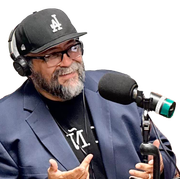
Welcome. Welcome, southern California, to the Signal. News, information and analysis with Dino. I'm your host. Dino come to live from the studios of KPFA. Keen to see that.
00:00:41:12 - 00:01:01:12
DINO
90.7 FM for the bilingually challenge I, Kpfk, 90.7 FM Los Angeles. And a special shout out to, the whole fam coming into us from everywhere. We're talking. Let me see. Let me look at the right numbers.
00:01:01:14 - 00:01:03:12
DINO
98.7 FM in Santa.
00:01:03:12 - 00:01:21:20
DINO
Barbara, 93.7 FM in now. Okay, let me try this again. My bad folks. My bad. All right. I've been feeling a little under the weather slide. I got this right. Here we go. We want to welcome the entire fam listening across Southern California. So we're shouting out to.
00:01:21:20 - 00:01:23:16
DINO
98.7 FM in Santa.
00:01:23:16 - 00:01:24:16
DINO
Barbara.
00:01:24:17 - 00:01:27:05
DINO
93.7 FM San Diego.
00:01:27:10 - 00:01:27:16
DINO
In.
00:01:27:16 - 00:01:30:16
DINO
99.5, in Ridgecrest, China League.
00:01:30:16 - 00:01:42:20
DINO
Welcome to all our listeners and especially our listeners on, kpfk.org across the globe.
00:01:42:22 - 00:01:44:18
DINO
And around the world.
00:01:44:20 - 00:01:46:02
DINO
I'm Dino, your host.
00:01:46:04 - 00:01:51:12
DINO
Thanks for spending part of your Saturday afternoon with us and whatever it is that you're doing, whether you're doing a little gardening.
00:01:51:14 - 00:01:55:22
DINO
Driving around, or just chilling at home listening to your favorite.
00:01:56:00 - 00:02:00:18
DINO
Public radio station, we say thank you for being with us.
00:02:00:20 - 00:02:21:00
DINO
Well, listen, folks, we have some catching up to do on a couple of items today we're going to be talking about, L.A. County, L.A. County taking a closer look at where its public advertisement dollars go and whether local ethnic media is getting their fair share. Then we're going to turn to.
00:02:21:00 - 00:02:24:01
DINO
This topic of Cornell University. Of course, many of you.
00:02:24:03 - 00:02:26:21
DINO
Have heard of the troubling case.
00:02:26:23 - 00:02:31:23
DINO
Of what happened in Cornell. The larger question about sexual violence, institutional betrayal.
00:02:32:01 - 00:02:38:20
DINO
And what accountability really looks like. We've got some terrific guests lined up for you for these important.
00:02:38:20 - 00:02:39:14
DINO
Conversations.
00:02:39:20 - 00:02:44:10
DINO
And we'll be bringing them on. But first, we're going to spend some time and catch up with.
00:02:44:10 - 00:02:45:19
DINO
Elections.
00:02:45:21 - 00:02:50:00
DINO
Now here at home locally in L.A. and a few updates.
00:02:50:00 - 00:02:53:14
DINO
Across the country. And yes, there's still one race and.
00:02:53:14 - 00:02:58:17
DINO
Here in SoCal that just hasn't been called. So we're going to be getting into.
00:02:58:17 - 00:03:00:01
DINO
That in a few minutes.
00:03:00:03 - 00:03:07:13
DINO
While we have our, our folks ready and lined up. So it's been about a week. We going to have what, two weeks?
00:03:07:13 - 00:03:11:03
DINO
As many of you all know, we've been covering elections since December.
00:03:11:03 - 00:03:23:22
DINO
Of of the year prior and over the last, essentially, what, 11 months, 12 months? We've had a lot of the candidates leading up to the primary. And of course, after the primary.
00:03:23:22 - 00:03:29:21
DINO
And just about every candidate who ran for local and in some cases state and federal,
00:03:29:23 - 00:03:33:12
DINO
State and federal races, were able to join us.
00:03:33:12 - 00:03:33:19
DINO
Right.
00:03:34:00 - 00:03:38:17
DINO
So we're going to do a quick roundup, and reminder of where things are nationally.
00:03:38:17 - 00:03:40:21
DINO
It was a historic ass woman.
00:03:40:23 - 00:03:49:01
DINO
For the party of the 34 time convicted felon giving Democrats have an unprecedented opportunity to not crap.
00:03:49:01 - 00:03:49:05
DINO
The.
00:03:49:05 - 00:04:08:12
DINO
Bed. Right. Well, and they already I see my my the the the the the signal staff behind the glass, you know, shaking their heads and going on. Right. And yet it looks like that, that's already begun. Judging by the fight over the party leadership, there may already be.
00:04:08:12 - 00:04:10:01
DINO
A test.
00:04:10:02 - 00:04:11:13
DINO
Abound. And of course.
00:04:11:15 - 00:04:16:02
DINO
With the, proposed impeachment of Pete that several.
00:04:16:02 - 00:04:19:00
DINO
Democrats prominent Democrats among them, you.
00:04:19:00 - 00:04:48:03
DINO
Know, conveniently got stuck in traffic, others where, you know, whatever multiple, multitude of excuses. And this is already not going, well, and so California, California, new congressional map, the one voters approved last year, remember, in response to Republicans going across the country and redistricting themselves in hopes of winning? Well, that, too, was a monumental failure.
00:04:48:05 - 00:04:54:04
DINO
And in the case of, Calif, us here in California, Congresswoman Linda Sanchez easily won the redrawn.
00:04:54:04 - 00:04:55:07
DINO
41st district.
00:04:55:09 - 00:04:58:03
DINO
Here in L.A. County in the Central Valley, progressive.
00:04:58:03 - 00:04:58:20
DINO
College professor.
00:04:59:00 - 00:05:01:21
DINO
Randy Villegas unseated Republican.
00:05:01:23 - 00:05:02:20
DINO
Congressman David.
00:05:02:20 - 00:05:07:10
DINO
All ago in Orange County. Democrat Dave min is now I believe he's.
00:05:07:10 - 00:05:07:20
DINO
Already been.
00:05:07:20 - 00:05:18:08
DINO
Called, projected to win the 47th district. And in one Republican versus Republican showdown, the 40th district, Ken Calvert is now,
00:05:18:10 - 00:05:21:10
DINO
On his way to, keeping that.
00:05:21:10 - 00:05:23:15
DINO
Spot on the governor's front.
00:05:23:18 - 00:05:27:08
DINO
Governor elect Javier Becerra held his first press conference.
00:05:27:10 - 00:05:35:04
DINO
And one of our regular contributors, you know, from Carlo News. Andrea Valadez poses an important.
00:05:35:04 - 00:05:37:08
DINO
Question that seem to get under his now.
00:05:37:08 - 00:05:45:01
DINO
And look man Sly, this brother is already in office. He has not even in office. And he's already being a little finicky on what you can ask.
00:05:45:01 - 00:05:45:19
DINO
Of him.
00:05:45:21 - 00:05:53:14
DINO
As a newly elected governor of the state of California. Let me, let me let let me what what is for you?
00:05:53:14 - 00:05:56:22
DINO
Let me talk through this.
00:05:57:00 - 00:05:58:10
DINO
So while at.
00:05:58:10 - 00:06:05:16
DINO
A press conference last Thursday, this past Thursday, alongside Speaker Robert Rivas and Senate Pro Tem Monique.
00:06:05:18 - 00:06:08:14
DINO
Limon, one of the reporters.
00:06:08:14 - 00:06:12:19
DINO
Again a regular contributor to this program on the level of this from Carlo News.
00:06:12:21 - 00:06:16:16
DINO
Pressed him on specific commitments.
00:06:16:18 - 00:06:29:22
DINO
He declined to answer, telling them, quote, don't play these games. This in reference to the issue of stated priorities, cost of living, which he called.
00:06:30:00 - 00:06:31:03
DINO
Jobs one, two, three.
00:06:31:03 - 00:06:53:00
DINO
He said everything is on the table taxes, wealthy Californians should pay more, etc. but he refused to share what, if any, of those were a priority. He went on to say that he was already elected and, essentially, and I'm paraphrasing here, I don't need to give you promises already won, and you're just going to have to wait and see what I do.
00:06:53:02 - 00:07:03:09
DINO
That's the Dino take on that. And again, monumental opportunity to not scrap the bid. And it's so far it seems like the diaper is leaking.
00:07:03:11 - 00:07:24:03
DINO
Jumping past the county sheriff, Robert Luna, of course, is going to remain as sheriff. And, you know, we're going to just jump across some of the other updates. My team here, hand it to me and share one important update that I think everybody has an eye on. And that is the race for council District nine in South L.A..
00:07:24:04 - 00:07:46:07
DINO
Now, where do things stand there? Where we had both candidates on our show, actually multiple occasions making the argument for this historic position as of show time, roughly 30, 40 minutes before we went on air. The last time we checked, we got this lead over again. This is City Council District nine, in the city of L.A. we got this lead over.
00:07:46:07 - 00:08:15:14
DINO
My sorry egos had dropped down to get this, folks, 41 votes. There is 41 votes. As about an hour ago that was still dividing these two candidates. Now, remember, early on, you know, we got they just jumped out there. County officials estimated 15,000 outstanding ballots countywide remain to be processed, some of which will find out today. Those 15 are spread across the whole county.
00:08:15:16 - 00:08:16:20
DINO
So nobody knows how.
00:08:16:20 - 00:08:37:10
DINO
Many of those are pertaining to CD nine. At least none of us out here do. I checked on the crystal ball and the Dino Crystal ball. None of that is, showing anything. What comes, not what comes next. Well, the registrar has been releasing updates on Tuesdays and Fridays. The last two were released Tuesday night. Then on Friday, November 13th.
00:08:37:10 - 00:09:16:21
DINO
But if this holds, the next one should come this coming. Tuesday, November 17th. Shout out to my old man whose birthday is on the 17th, by the way. However, that race did get a little funky a little funky. Allegations have been thrown out there. You know, some details have emerged, in which the Masseria camp is alleging that the Kennedy Jose Ugarte has committed some form of, inappropriate, conduct with regard to votes being cast.
00:09:16:22 - 00:09:21:22
DINO
This a claim that Joseph got it. They categorically denies.
00:09:22:00 - 00:09:23:12
DINO
Okay, that gives us.
00:09:23:12 - 00:09:48:11
DINO
The update on elections. We'll be covering all of this and more next week. We'll be bringing you an important update in collaboration with the Latino policy, Latino policy, public policy Institute is on the Latino vote. We'll be covering that a little bit more because of its sheer significance, part of which we covered last week. With that said, stay with us.
00:09:48:11 - 00:10:14:09
DINO
We're going to take a very brief break. We're going to come back and we're going to talk about something that happened this week. L.A. County Board of Supervisors unanimously approved a motion that could change how county communicates with its residents and where its advertising dollars go. The question sounds simple why should public outreach spend in bypassed neighborhood newspapers and ethnic media outlets that residents actually read and trust voices of the community?
00:10:14:09 - 00:10:31:02
DINO
Why should that money go elsewhere? But it does get complicated. Or it can get complicated and get complicated fast. How much is being sent spent? Who gets the contract? How do small publishers compete, and how do you support local journalism without compromising its independence?
00:10:31:04 - 00:10:33:13
DINO
To begin here, to help us.
00:10:33:15 - 00:10:45:06
DINO
Navigate that issue. We'll be right back and we'll get right into it. Stay with us.
00:10:45:08 - 00:10:57:16
CUT
Hi, this is Kurt Elling. You're listening to Kpfk, 90.7 FM, Los Angeles, 98.7 FM Santa Barbara, and on the worldwide web at Kpfk.
00:10:57:17 - 00:11:03:00
CUT
Georgie Knight, UN Lady.
00:11:03:00 - 00:11:10:16
CUT
Pride in the arms of an US. Welcome back to.
00:11:10:16 - 00:11:13:23
DINO
The Signal news, information and analysis. I'm your host, Dino.
00:11:14:01 - 00:11:14:16
DINO
Okay. We're going to see.
00:11:14:16 - 00:11:27:20
DINO
How far we can get through this lie without me coughing because, you know, it looks like I got one of those little bugs about to come in, right? And they're telling me, press the cop. But no, we're just going to go old school on this one. Right, Regina? I see Regina already joining us, so check this out, folks.
00:11:27:20 - 00:12:06:11
DINO
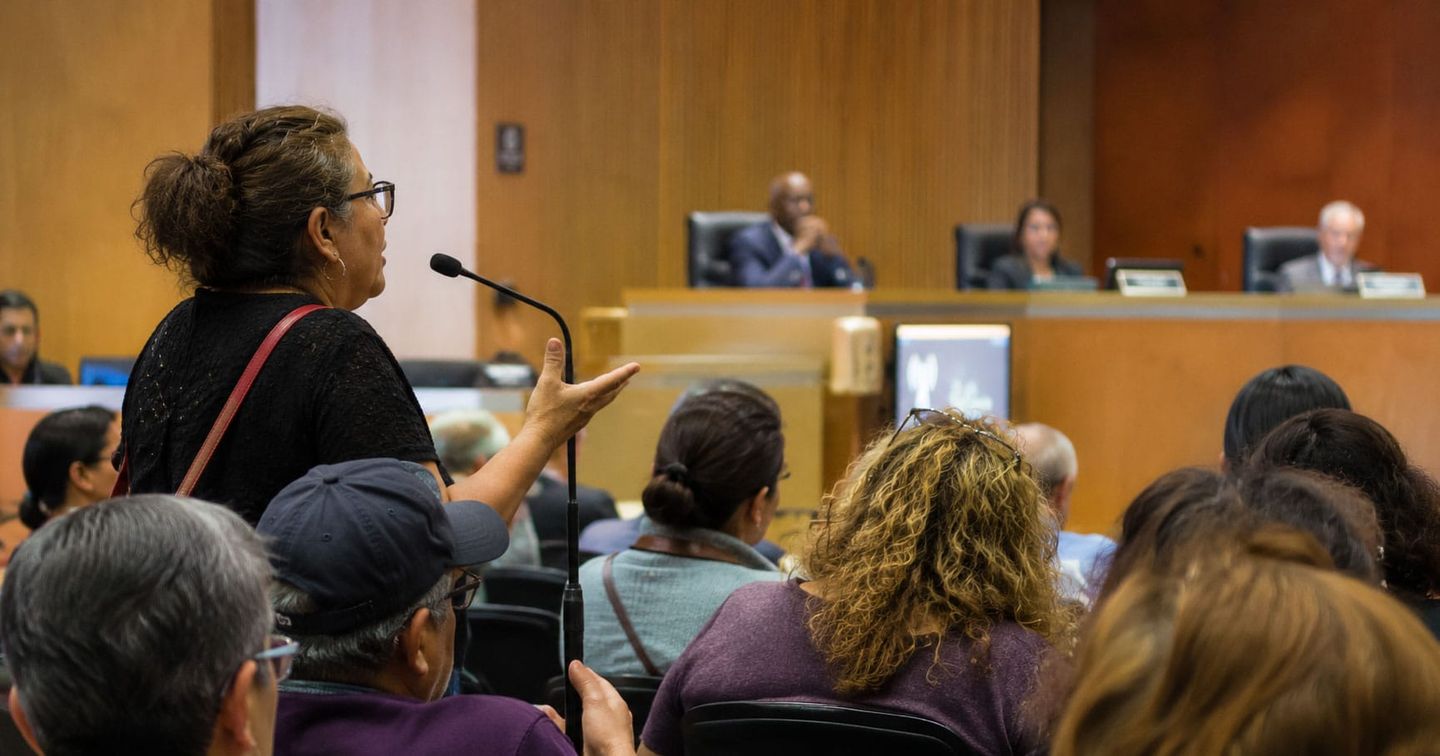
On November 10th, Supervisor Hilda Solis and Supervisor Janice Hahn of the L.A. County Board of Supervisors approved a motion titled Strengthening Accountability and County Communication Sending, Spending and Support for Local Ethnic and Community Serving Media. Try and say that three times, says the motion does not yet award advertising dollars or advertising contracts, or establishes a fixed allocation. It orders 120 day review of county spending potential, set asides, procurement barriers, and outreach to ethnic media, local and public and hyperlocal outlets.
00:12:06:13 - 00:12:37:03
DINO
A 2020 county directive had already identified shortcomings in the county's ability to track its use of ethnic medium. At the press conference held on the 10th with Supervisor Solis and Hahn, one of our guests, Arturo Carmona, argued that the equitable advertisement distribution is sound public policy, not charity. Regina Brown Wilson, our other guest, stressed the importance of knowing where public money goes and which communities are being missed out on or not invested in.
00:12:37:05 - 00:12:47:08
DINO
The Latino Media Collaborative assembled publishers and editors, supporting the measure, as did the organization that
00:12:47:10 - 00:12:47:19
DINO
Several.
00:12:47:19 - 00:13:13:17
DINO
Other organizations that were partially inspired by work that was done in New York, New York City experience with shifted roughly $72 million into community media over five years. And this is their reference point, as a matter for disclosure, yours truly does sit on the board of directors of the Latino Media Collaborative. And with that, let's get into it.
00:13:13:19 - 00:13:14:12
DINO
So let's.
00:13:14:12 - 00:13:15:00
DINO
Start off.
00:13:15:00 - 00:13:28:04
DINO
With, again. My guest is Arturo Carmona is president of the Latino Media Collaborative, a media, a media policy organization behind Gallo News and the coalition bringing together Latino, ethnic and local publishers.
00:13:28:06 - 00:13:29:06
DINO
Regina Brown Wilson.
00:13:29:06 - 00:13:45:04
DINO
Is executive director of the California Black Media, a statewide network working to strengthen black owned and black serving news outlets, elevating reporting on issues affecting black community, black Californians in particular. Welcome to you both to the Signal.
00:13:45:06 - 00:13:47:02
ARTURO CARMONA
Thank you. Armando. Thank you for having us.
00:13:47:03 - 00:13:48:06
REGINA BROWN WILSON
Yeah. Thank you for having us.
00:13:48:11 - 00:13:50:07
DINO
Arturo, let me start off with you now.
00:13:50:07 - 00:14:16:16
DINO
You've been involved in working and collected and building a coalition on strengthening the way in which some of these institutions, starting with the state level, to invest on local media. Tell us what motivated this particular initiative here at the county level? That, as I understand, started earlier this year, maybe last year at the state level. Tell us a little bit more about that.
00:14:16:18 - 00:14:49:04
ARTURO CARMONA
The then thanks again for having us, Armando. The Latino Media Collaborative, an organization that, I preside over, has been working to strengthen the way, local and state governments advertise with their communities. We believe that governments should advertise in a way that reflects their values, that, upholds and protects media organizations that serve as, as a link to provide vital information for communities.
00:14:49:06 - 00:15:29:03
ARTURO CARMONA
And so we've been doing that, now for, for a number of years in California, we've been making some progress with, adopting some legislation, including AB 1511 that sets, some basic goals for the state, in the way it advertises and the way it collects information. The reality is that much, much of that funding, much of that funding has gone to large digital behemoths and, and Silicon Valley, or major corporations, many of them outside of California, frankly, that don't share the values that our state shares.
00:15:29:03 - 00:15:54:08
ARTURO CARMONA
And so, that's been one of the big the big premises. And when we saw New York take this, this policy, what about 5 or 6 years back, we decided to, move that forward. And Los Angeles County, we've made some progress about about, you know, 4 or 5 years ago, we try to adopt some policies in the county, actually in partnership with black media outlets.
00:15:54:10 - 00:16:32:19
ARTURO CARMONA
And, we were able to move it through, but for one reason or another, the bureaucratic channels that we, we saw that that progress stalled. We didn't see much in the form of, real advertisement and resources flowing to our outlets. And so we came back at it again, this week. And, we were successful in adopting this first step, which is for the county to move a process along that will develop a policy to guide the county, to guide the county bureaucracies and departments over 35 departments, frankly, in the way they're going to engage in outreach with our communities.
00:16:32:21 - 00:16:58:17
DINO
Now, Arturo, thank you for that. Regina. Let me bring you into this, because one of the things that I think has been highlighted by this effort, both at the state and local level, is just the sheer state of local media, particularly ethnic media. And if you were to give us a can you give us a description, an assessment of what is the state of black media in California and in places like L.A. and others?
00:16:58:19 - 00:17:02:07
DINO
Why is this so important in that context?
00:17:02:09 - 00:17:25:21
REGINA BROWN WILSON
Yeah, I mean, it's so important because, I mean, the media business relies on advertising dollars. It's always been that model that that's just what it's been. And I totally understand the idea where it's eyeballs, right? Or it's listeners, it's eyeballs. That's what this is really about. But there's always been, an effort to make sure that certain big guys always get the dollars.
00:17:25:21 - 00:17:51:15
REGINA BROWN WILSON
Right. So they, they already are set up to get the dollars. This is whether you have a Hollywood who does premieres with ad agencies and companies and says, hey, we're getting ready to create this. And they already set, like in October. I want to say there was a year where it's in October that they set a time to look at all the things that would come out in or on, you know, television and, you know, they would say, hey, we're going to put our dollars behind this model.
00:17:51:17 - 00:18:15:09
REGINA BROWN WILSON
Ethnic media, in community, independent media, have not had that opportunity. And it's because they're local, you know, they don't have as when some see it is they don't have the bells and whistles. As you know, some television show or, you know, now, just the freeness of how digital platforms operate it is work to I don't want to say collapse the model, but it is work to really work.
00:18:15:11 - 00:18:44:19
REGINA BROWN WILSON
It's work to take away those dollars. And so the things that used to work are not working. TV is also broadcast, is also having trouble. But I think that this underscores the importance of understanding where those dollars go and who's they're actually supporting their community. And so I think the effort that, Latino Media Collaborative has, started to spearhead is really going to be important because I think the first step is knowing, you can't act until, you know, what you're working with.
00:18:44:19 - 00:18:57:02
REGINA BROWN WILSON
And so I think that there are efforts across the state and there have been efforts, in the past, I've been in this game for over 15 years. I know I don't look like it because I feel like, you know, it's just like today.
00:18:57:02 - 00:18:59:08
DINO
You look, but.
00:18:59:10 - 00:19:23:06
REGINA BROWN WILSON
But, you know, but I've been at this for a really long time, and I can tell you a lot of it has to do with the ad agency. Sometimes it's the RFP and how an RFP is crafted. Sometimes it's it's it's conflicting information. When, an agency says, I need to have all of these digital metrics, and then they go to the places where they can get them, we need to make sure that there's a carve out.
00:19:23:09 - 00:19:28:22
REGINA BROWN WILSON
So it allows for the metrics that community and independent media have. So that they can play ball as well.
00:19:28:22 - 00:19:51:10
DINO
And which, you know, you touched on something that's, you know, hits close to home for me and not just because I'm in public radio and because I do this program I actually have been in and like you all, you know, I've been doing broadcasting actually news for 20, almost 30 years. But here's the thing, right? I have had a hard time personally, kind of, you know, folding in all the micro technologies, the social.
00:19:51:14 - 00:20:12:09
DINO
My producer still screams at me every day. We need to do more on the, the, the Instagrams and all the other stuff, right? And I, you know, I'm just not the best at it. She's great at it. And, you know, you touched on this issue. How has the local small independent, news providers in the black community adjusted to this shift?
00:20:12:11 - 00:20:18:18
DINO
Has that been something that, has had success or not and why?
00:20:18:20 - 00:20:38:08
REGINA BROWN WILSON
Well, you know, I think that let me say this. I think that a lot of people, the social media in itself is overwhelming. And I look at social media as just the paper boy, it is just a delivery mechanism. And so technically that is your new paper boy, but you don't control the platform. You don't control the algorithms.
00:20:38:10 - 00:21:07:15
REGINA BROWN WILSON
This is why I always will always say that folks who have analog, you keep a portion of that because you control your you control your own audience. And so I think that we have to get to a place where we understand that social media is not going away, and that's fine. But we must make sure that we still maintain and control our own audience, because that's whenever you're going to be able to then, collectively come together, not fix, you know, advertising rates, but be able to collectively come together and be able to see some change in the advertising dollars.
00:21:07:21 - 00:21:34:20
REGINA BROWN WILSON
But if you stay completely online, everything is housed on social media. You don't control that platform. When it's time to shut you down, it's time to shut you down. So I think it's an important component. I think that many publishers struggle with putting too much content there, but they know that they have to do the marketing side. They use it for that kind of free ish marketing side so that they can try to recapture, the advertising dollars on the back end.
00:21:34:22 - 00:22:01:18
DINO
My guest is Regina Brown Wilson, executive director of the California Black Media, a statewide network working to strengthen black owned, black serving news outlets. And Arturo Carmona, president of the Latino Media Collaborative, a media policy organization behind Color News and a coalition bringing together Latino, ethnic and other local publishers to advance local outlets, news organizations. And I know the board has ordered this 120 day review.
00:22:01:18 - 00:22:21:11
DINO
As somebody who's been involved in local public policy issues just as long as they've been in media, those 120 days can sometimes turn into 6375 days. And that is a jab. That is a jab. Yes, I am throwing a jab at the L.A. County Board of Supervisors. Fight me on it, but give me your best case scenario. Okay?
00:22:21:11 - 00:22:43:21
DINO
Let's assume that the, you know, the ferries line up and you know, the planets line up and you are able to get this report in 120 days. What would be the best case scenario for not just this effort, but just micro outlets across the county?
00:22:43:22 - 00:23:33:04
ARTURO CARMONA
The best case scenario, in my opinion, would be that the county comes back, with a report in collaboration with, community, with outlets like ours, with outlets like, California black media, many others that are part of this coalition and can advance a set of regulations that direct departments to truly partner with local media, to truly partner with outlets in the sense that when they're conducting outreach communications, when they're putting out RFP, is that they're really mandating a partnership with outlets that where we see real investment in our, networks and our local news outlets in our papers, resulting in and measurable, increase in investment at the end of the day.
00:23:33:04 - 00:23:44:04
ARTURO CARMONA
That's what we're talking about. We believe that that will result in increased, local news. We believe that that will result in better coverage of our local communities.
00:23:44:06 - 00:23:46:23
DINO
Go ahead.
00:23:47:01 - 00:23:53:20
DINO
That I did, I lose them, Arturo, are you there?
00:23:53:22 - 00:24:18:12
DINO
I think we might have lost that, Arturo. There you are. Oh, yeah. It looks like his image has frozen that. Speaking of Michael, technology, you know the theme of this program. Regina, I don't know if you're still with us. The theme of the program today revolved around this issue of what does institutional responsibility look like?
00:24:18:14 - 00:24:40:15
DINO
And, you know, as we begin to close out this segment, you know, we're looking at just this broader issue of how opportunities are created and developed for not only local communities and organizations, but what, at the end of the day, accountability looks like now, one of the issues that we have.
00:24:40:17 - 00:24:43:07
ARTURO CARMONA
Yes, it is, is yet it.
00:24:43:08 - 00:25:13:13
DINO
So one of the questions I was setting up, this next question, Arturo and I want to pose it to you both, actually, as we prepare to close out. Right. I was mentioning that, you know, the theme of our show today has to do with information, accountability and the responsibility institutions have to the people they serve. And one of the issues that, in preparing for this particular segment came up was this issue of, you know, getting advertising dollars from local governments.
00:25:13:15 - 00:25:29:19
DINO
And how will that, if at all, influence coverage, news, information and analysis, of these institutions, what does accountability look like in this new climate, in this new environment? And what do you say to that?
00:25:29:21 - 00:25:56:13
ARTURO CARMONA
I say that, government has a critical role, not a sole role. I, we think that, outlets need to have a business model that's that's self-sufficient, that's not dependent on government. But we believe, like most of the industrialized world, the government has a role. It needs to have values. It should communicate in a way that's reflective of those values, that's reflective of its diversity.
00:25:56:15 - 00:26:24:10
ARTURO CARMONA
Los Angeles County, for instance, has dozens and dozens of language. We think that the way the county communicates should reflect that inclusivity of our diversity. And, we think that, some of these policies reflect those values and so, whether it's the state, whether it's the county, whether it's the federal government, they should when they spend a dollar in advertising, advertising to our communities, it should be reflective, of those communities.
00:26:24:12 - 00:26:52:23
DINO
And as we close out on this, on this topic, Regina, how do you respond to this important question about developing a strategic partnership with advertisement dollars? And in this case, not just with, you know, this age old question of how do you ensure independence? But in this case, we're talking to a government institution. So what should our audience, you know, those who have expressed or brought up this question, what should they know and understand about this?
00:26:53:01 - 00:27:22:13
REGINA BROWN WILSON
Well, just know it's not new. It's not new that government has to get the word out. And none of these things are new. And I think that, you know, the institutions that, have long served, to communicate to their audience, you know, their audience is going to hold them accountable. And so just because they're getting lottery dollars or they're getting dollars about, you know, you know, a street fair that could be going on or what have you, that's informing.
00:27:22:13 - 00:27:40:07
REGINA BROWN WILSON
And I feel like I said, that's a transactional relationship. It's because they need to get their information out. They can't just put it on their own county site. Simply because it it's probably not going to reach the intended audiences. And so I would tell people that this is not new when people need to get messages out, they advertise.
00:27:40:07 - 00:27:47:10
REGINA BROWN WILSON
And so I think we treat the advertising like that. And you treat your newsroom, very separately. In that way.
00:27:47:12 - 00:28:07:12
DINO
Arturo Carmona of the Latino Media Collaborative in Virginia, Brown Wilson of California, black media, thank you both for joining us on the Signal. And I want to remind everybody, this isn't just a question of keeping newspapers alive or news outlets alive. It's about whether public information actually reaches the public and whether local journalism can stay strong enough to hold institutions accountable.
00:28:07:14 - 00:28:14:04
DINO
Thank you for being with us. We'll be following and we'll be checking in and 120 days and see if that report is done and ready to go.
00:28:14:06 - 00:28:15:04
ARTURO CARMONA
Thank you so much.
00:28:15:04 - 00:28:16:18
DINO
Thank you both folks. Stay with us.
00:28:16:18 - 00:28:42:10
DINO
After the break. Another kind of institutional accountability, a lawsuit arising from the alleged sexual violence at Cornell University has led to protests, renewed scrutiny of fraternity culture and a no confidence vote by faculty against university leadership. What does it mean when an institution's response becomes part of the harm? We'll explore institutional betrayal, survivor support and prevention. A brief advisory of the next conversation.
00:28:42:12 - 00:28:52:03
DINO
It does discuss the nature of difficult sexual assault topics and may be difficult for some listeners. Stay with us. We'll be right back.
00:28:52:05 - 00:29:13:18
DINO
Welcome back to The Signal once again before we begin a brief word of caution. We're going to discuss the topic of sexual assault in campus environment and the experience of survivors who we're not dwelling on any of those details. But for some listeners, this may be a difficult topic, and rightfully so. Our conversation was prompted by the case at Cornell University in New York.
00:29:13:20 - 00:29:39:22
DINO
A former student has filed a lawsuit alleging she was sexually assaulted by seven fraternity members in 2024. The men deny the allegations, and the case has triggered intense scrutiny. And not only have the university's response, but it reopened the criminal investigation and just last week, a faculty vote of no confidence in university leadership. But this is a bigger issue at hand, really.
00:29:39:22 - 00:30:07:01
DINO
One, not this is not an issue of one campus or two, but rather, I think a system wide issue that's of great concern, the great concern to those of us who are, you know, parents, those of us who have students, at the university. But just overall, in general, I think it's a great concern, a legitimate and valid concern for any responsible adult who says, look, this is something that needs to be mitigated and done so in a responsible manner.
00:30:07:03 - 00:30:31:15
DINO
Our guest is Doctor Jennifer J. Freyd, a psychologist and researcher who earned her doctorate at Stanford University and began teaching. Career. Teaching career. Actually at Cornell, and spent more than three decades at the University of Oregon. Go ducks or I have Professor Fred. She's now professor emerita there. And Kim maintains academic affiliations with the University of Washington and Stanford University.
00:30:31:15 - 00:30:59:10
DINO
She founded the center for Institutional Courage and wrote Betrayal Trauma, along with her colleague Pamela Burrell. Blind to betrayal, her work has helped define institutional betrayal and doctor fraud. Let's start there. By the way, I, you know, in preparing for this segment, you know, we ourselves found ourselves just taking, you know, going down the rabbit hole and just how complex this issue is.
00:30:59:12 - 00:31:20:05
DINO
And there's all these nuanced discussions for me, and this is a much personal issue, you know, with somebody who has, college students, actually, over in your part of the world at the university, you know, I struggled with this topic because, you know, I remember having that for me, uncomfortable conversation with my kid about this. Right?
00:31:20:05 - 00:31:38:08
DINO
She's just getting started. But as we get started, you know, doctor Fred, your work starts from a real simple idea. Harm cuts deeper when it comes from someone we trust. And you've applied that to institutions, don't we? What is institutional betrayal?
00:31:38:10 - 00:32:17:13
JENNIFER J. Freyd
Yeah. So the broadest definition of institutional betrayal is institutions harming those dependent upon the institution. One form that it commonly takes that's particularly relevant to the Cornell case and so many other similar cases on college campuses, is when the institution fails to prevent or to protect people from harms that occur in the institution. And so, we see this not only in colleges, but in almost all of our major institutions.
00:32:17:13 - 00:32:50:19
JENNIFER J. Freyd
And it, it it's, when the institution implicitly or explicitly offers the promise of protection. So think of law enforcement, hospitals, government, and to some extent our colleges at the you know, in the United States, they offer and apply. They're going to protect their students and we have, been now researching and many other people have joined the effort researching institutional betrayal for 15 years.
00:32:50:19 - 00:33:23:14
JENNIFER J. Freyd
And it was a theory that I developed based on decades of research on interpersonal betrayal. And I already knew from that research that betrayal is particularly toxic to people. People can get really harmed by betrayal. And we extended it to institutions because we notice that are really one reason people can be so harmed by betrayal is because we are as humans, we attach to those who take care of us, think about a kid with their parents.
00:33:23:14 - 00:33:47:00
JENNIFER J. Freyd
Sure. And we attach to our institutions. Most people have at least one institution they feel love for. For some people, it is their college. For other people, it might be their their youth organization or their church. Once you love an organization and that organization's doing things for you, you are then very vulnerable to the psychological harm of betrayal.
00:33:47:01 - 00:34:15:15
JENNIFER J. Freyd
And so we predicted and indeed found that justice one on one betrayal could be so toxic. Institutional betrayal can be so toxic. And where we what we see with with college sexual assault, for instance, is if we compare college students who are sexually assaulted, but did not go on to experience institutional betrayal, we compare them to college students who are sexually assaulted and did experience institutional betrayal.
00:34:15:17 - 00:34:41:19
JENNIFER J. Freyd
We see that the students who've experienced institutional betrayal are doing worse than the students who did have sexual assault, which is always bad, sure, but didn't have institutional betrayal. So it is a way in which institutions can add harm that is, you know, a quite potent. The good news is we now know a lot about ways to stop this and, you know, cut it.
00:34:41:19 - 00:35:05:18
DINO
Out and Doctor Freyd, before we get into that, you know, what strikes me about this is that, you know, when you reference how there is a genuine, genuine, you know, affection towards an institution, a love one would even say, I am I wrong to think that this is perhaps most prominent at universities where you have, for example, the University of Oregon.
00:35:05:18 - 00:35:29:05
DINO
I even jokingly said go ducks, right? It has such a strong, you know, fan base. I mean, people students there love their docs. They love that unity, that camaraderie. And it strikes me that in university settings, maybe a combination of, you know, you have a young, you know, a young mind, it's still developing. They're growing. Some of them have gained their independence.
00:35:29:05 - 00:35:36:07
DINO
And this is a new home. It is likely to be more intensified in these environments. Am I wrong in thinking that?
00:35:36:09 - 00:36:00:07
JENNIFER J. Freyd
No, you're absolutely right. And to some extent, the universities and colleges groom this response. Sure, some of it just might happen spontaneously. But, you know, I'm like, you know, if I've got, you know, I've had kids go through college and I was really struck by how, you know, and not early days of showing up on a campus.
00:36:00:07 - 00:36:29:05
JENNIFER J. Freyd
The students are told, welcome home. You're now with your new family. You're, you know, such things are said. And then there is there is, one could be a little bit cynical because there is an economic advantage to colleges and universities for students and especially wealthy alumni, to have those feelings of loyalty so that there's there's a good reason for encouraging.
00:36:29:07 - 00:36:43:06
JENNIFER J. Freyd
I mean, there's, you know, an incentive, I guess you could say, for encouraging all that. But it then does make people more vulnerable when the institution, in fact, does not take care of them in the way they expected to be taken care of.
00:36:43:12 - 00:36:58:04
DINO
Now, on that topic, your research with Callie Smith suggests that what happens after an unfortunate assault can make the trauma worse. How can a university response to a report of sexual violence intensify the trauma? Give me some examples.
00:36:58:07 - 00:37:36:02
JENNIFER J. Freyd
Yeah, and I would just add to that it's not just what happens after. It's also what happens before, because students are aware, are often aware that the university could have taken steps to make the event less likely, could have taken steps to prevent it. You know, the most extreme example is probably the tolerance of fraternities and fraternity culture when it's been known for decades, decades, based on solid research, that fraternities are associated with significantly higher rates of campus sexual assault, as well as other problematic behaviors.
00:37:36:04 - 00:38:09:00
JENNIFER J. Freyd
And universities have consistently, with very few exceptions, turned a blind eye to that fact, which means they had the opportunity to take actions that would have have prevented some sexual assaults, and they decided not to do that. There are other examples of failure to prevent that. You know, students, students are aware. So just knowing that you're in an institution that could have taken steps to prevent a harm, but it didn't prevent is already institutional betrayal.
00:38:09:04 - 00:38:38:10
JENNIFER J. Freyd
But it doesn't stop there. As you mentioned in your question. There's also what happens after. And so when we measure students experiences with institutional behavior, betrayal, we don't use the phrase institutional betrayal. We don't require. They label it in such a way. We ask them about the their interactions with the institution. An example would be that the institution made it hard to report the the interpersonal harm.
00:38:38:16 - 00:38:48:20
JENNIFER J. Freyd
Another is that the institution made that make the victim of that of the sexual assault feel that they were harming the institution by filing a report.
00:38:48:21 - 00:38:49:17
DINO
Of course, that.
00:38:49:17 - 00:39:15:05
JENNIFER J. Freyd
They would harm the institution by trying to, you know, pursue an investigation. All of that occurs and has occurred to many, many students. And it adds, it is, you know, very much at the heart of institutional betrayal is this failure to prioritize the needs of the student victims in those situations.
00:39:15:07 - 00:39:27:18
DINO
Now, Doctor Freyd, one of the topics that came up in the course of our, you know, as the type of programing we do, we bring up a topic we throw out around. There's different positions. And as those,
00:39:27:20 - 00:39:28:18
DINO
As those.
00:39:28:19 - 00:39:29:08
DINO
Opportunities.
00:39:29:08 - 00:39:30:05
DINO
Develop.
00:39:30:07 - 00:39:53:09
DINO
Questions arise and one of the things that came across my desk was this idea that on the one hand, you have nefarious actors, maybe even a a professor or an administrator. Others who say, you know, to your point, you don't want to harm the university. Therefore, let's not do this. But on the other hand, there's this broader issue of just institutional.
00:39:53:09 - 00:39:54:16
DINO
Culture.
00:39:54:18 - 00:40:37:11
DINO
Of an entire, in this case, industry, really. I mean, there's fraternities have long been documented, having this, this, this documented history dating back to the 1820s, nine through the 1950s. According to our research in which, you know, there's been documented, nefarious conduct by institutions. So what I'm getting at here is how much of this is, you know, these individuals, administrators, in the case of Cornell, who now have a vote of confidence, or how much of this is just a general culture that, you know, folks come into and become corrupted because the institution itself is not doing enough?
00:40:37:13 - 00:41:07:03
JENNIFER J. Freyd
Yeah. I mean, I'm sure there's both things that are going on. So there are some bad actors, there are some people who are perpetrators themselves and one don't, you know, don't want to open up the system for accountability. They exist, but there are lots of very well intentioned people who get caught up in the behavior of institutions and end up contributing to harm, not because they woke up wanting to hurt anyone, but because they, you know, they drink the Kool-Aid, they absorb the culture.
00:41:07:03 - 00:41:32:15
JENNIFER J. Freyd
They are doing what their predecessors were doing. And often, you know, they're under-resourced. Too late, especially, you know, the parts of the universities that are supposed to help students in these situations. So, one analogy I sometimes draw as and why I think the good news is that there's so much we can do, especially when so many people are fundamentally well intentioned.
00:41:32:17 - 00:42:09:21
JENNIFER J. Freyd
And the analogy I often think about is there was a time in our civilization where we did not understand germs, we didn't understand the importance of sanitation. People behaved in ways that contributed to suffering and death. They threw trash out the window and let it collect on the sidewalk. And that said, rats and fleas and plague. Once there was an understanding of the mechanisms of disease transmittal and the solution, of sanitation, people were willing to adopt that.
00:42:09:23 - 00:42:36:00
JENNIFER J. Freyd
And it really made a difference in human suffering. And I feel the same thing is true about institutional betrayal, that there's so many things institutions can do to move towards what I call institutional courage, and away from institutional betrayal that are very doable. It's just not been the practice. It's not been the same people have been taught to do.
00:42:36:02 - 00:42:42:00
JENNIFER J. Freyd
They're not the built in policies, practices and and the culture now.
00:42:42:01 - 00:43:07:13
DINO
And, Doctor Freyd on that topic of, of, institutional courage. And before we head in that you just touched on the issue of the practice. Right. And we know and I think you alluded to this already, knowing that no investigation on on the issue of investigations, no investigation is perfect and institutions make mistakes. Fair enough. What distinguishes institutional betrayal from an imperfect investigation?
00:43:07:15 - 00:43:40:19
JENNIFER J. Freyd
Yeah. I mean, and there's always going to be some gray area and fuzzy area, but it is institutional betrayal is not making it. It's not about making a mistake in the first place. It's about really what happens after that mistake gets made. And it's about, it's about accountability and whether the institution continues to cover up and punish those who are trying to hold the institution accountable.
00:43:40:21 - 00:44:11:07
JENNIFER J. Freyd
You know, one of the domains where we've looked at institutional betrayal, that's a very different context. But where this is very stark is in medical behavior. So, hospitals and medical practices make mistakes that will happen. This, you know, that's that's inevitable. There will be some number of mistakes because it's really difficult work they're doing. What happens after there's been a medical mistake is that it's the practitioner or the system.
00:44:11:07 - 00:44:33:07
JENNIFER J. Freyd
Does it apologize to the patient? Does it try to fix it, or does it deny? Does it try to blame the patient? Does it does it try to cover up what happened? And it's in that denial and the cover up and the blame that the institutional betrayal occurs. And you know, we can measure this. We do with, with, surveys that we give people it.
00:44:33:09 - 00:45:00:02
JENNIFER J. Freyd
It's not the presence of an error, per se. It's what happens after that error occurs, as well as going back to, you know, the failure to prevent preventable errors that the, the cavalier attitude that allows things to happen that never should have happened. But I do think it's really important to make the distinction. I think you were hinting at that we we need to have room for human error.
00:45:00:02 - 00:45:06:07
JENNIFER J. Freyd
There will always be human error. And that's really not what the trail's about.
00:45:06:09 - 00:45:57:18
DINO
My guest is, Doctor Freyd. Doctor Jennifer Jeffrey, the psychologist and researcher. Currently at the University of Washington. Excuse me? The University of Oregon. And her research has, for many decades now, focused on the concept of institutional betrayal. And we're discussing the, the unfortunate, incident, that arose out of Cornell University, where a student has come forward, alleging that several students, sexually assaulted her in 2024 and has since, a new investigation been reopened after what seems to, at least on the surface, portray a very, irresponsible, if not deficient process to address the concerns that were brought forward by this student when
00:45:57:18 - 00:46:26:09
DINO
first presented. And, you know, doctor, doctor Freyd, you know, a Cornell faculty voted no, had a vote of no confidence. And you once taught at Cornell without asking you to judge the disputed allegations. What should students and the public examine when assessing the university's response for us? You know, even my team who put together the research and, you know, I get, you know, pages and pages of stuff, and I have to kind of sift through it and do my part as well.
00:46:26:11 - 00:46:38:16
DINO
But when those of us that our parents and our concern what should be our if any, assessing tools, to determine what a good response is.
00:46:38:18 - 00:47:18:21
JENNIFER J. Freyd
Yeah. That's a that's a very fair question. So in the work on institutional courage that we've been doing, we've identified 12 steps that can be taken towards institutional courage. And many of those steps also give us, some, some tools for the sorts of assessments. So for instance, one step is about education. Is the institution educating the community, especially leadership about the the topics that are being problematic.
00:47:18:21 - 00:47:49:02
JENNIFER J. Freyd
So how much are people actually learning about sexual assault and sexual harassment and victim response and institutional betrayal? How much is it? Is this a deep part of what is going on in an educational institution right now? In the United States, most universities and colleges require people to watch a video for an hour or two. Right? Maybe take a silly test.
00:47:49:04 - 00:47:59:03
JENNIFER J. Freyd
It's. Can you imagine if English literature was being taught that way or college algebra? It's not the way you teach something that's important to you.
00:47:59:05 - 00:48:00:20
JENNIFER J. Freyd
It's totally.
00:48:00:22 - 00:48:26:12
JENNIFER J. Freyd
It's just a checkbox. That's all it is. And and it's the universities have all the tools to do this, right. It's just insane. So that's one thing. Another thing is, you know, and for institutional courage, we talk about the importance of cherishing the whistleblower. So when somebody comes forward with a difficult truth, blows the whistle within an institution, they're actually doing the institution a big favor.
00:48:26:12 - 00:48:27:01
DINO
Of course.
00:48:27:03 - 00:48:49:07
JENNIFER J. Freyd
It's like, you know, getting a bad result on your call. An ass copy. You don't get a baseball bat and hit your doctor like you didn't like it, but you know, you're glad you found out sooner rather than later. So you can deal with it. And that's what whistleblowers are. They're telling you there's a problem. And so some sometimes leaders and institutions do cherish whistleblowers.
00:48:49:07 - 00:49:16:15
JENNIFER J. Freyd
They thank them. They honor them for their courage. And then they they engage that whistleblower with attempts to fix the problem, which is the best way you can show somebody respect is, is ask them to help you fix the problem. And when that occurs, it's just remarkably positive, I should say. We you know, we've done research on the impact of institutional courage and it's very positive.
00:49:16:15 - 00:49:30:20
JENNIFER J. Freyd
People really thrive when their institutions show courage. And the institutions do not have to be perfect. It's almost poignant how little the institutions have to do to move the needle from betrayal to courage.
00:49:30:22 - 00:49:57:08
DINO
So, professor, you you coined a term, dhaval, which stands for deny attack, reverse victim and offender. And you've been careful to say it isn't proof of guilt on its own. How do power, fraternity, culture, and reputation tell us about Dhaval? How does this interacting like like in a case like this?
00:49:57:10 - 00:50:38:17
JENNIFER J. Freyd
Yeah. Well, guru, is an acronym, as you explained, for, response pattern. And I first noticed that decades ago in interpersonal interactions where, one of the most, formative observations I made was watching the confirmation hearing for Clarence Thomas. We're talking about a long time ago. Yeah. Of course. And the way Anita Hill was treated and how, Clarence Thomas had been head of the EEOC and would have anybody known how important it is to make room for discussions about sexual harassment.
00:50:38:19 - 00:51:10:16
JENNIFER J. Freyd
But the denial was, was rapid and and and complete, that her credibility was attacked. And then she was painted as the perpetrator of a horror. So there was a complete reversal of the victim perpetrator role in that situation. Although I really focused on this as an interpersonal dynamic, really, even in that first example, it was also an institutional dynamic.
00:51:10:21 - 00:51:36:04
JENNIFER J. Freyd
It just didn't identify that at the time. But I now talk about institutional Davo. Whole institutions can adopt this davo posture. And it we've also research this quite a bit. We know that when somebody gets davo ed by somebody else. So they got they've been harmed. They go they try to to hold somebody accountable in some way. Usually they just want an apology.
00:51:36:06 - 00:51:58:18
JENNIFER J. Freyd
And when they get this davo response it, it's then associated with their doing worse. I also know that it's effective with observers. If you're watching somebody and they use Davo and you don't know any better, it tends to make you doubt the victim. Right? But the good news is, if we teach people about Davo, it's less effective as a manipulation.
00:51:58:18 - 00:52:14:23
JENNIFER J. Freyd
But it is it, you know, it has that effect so universities can respond and do respond to victims of sexual assault who come forward as if they're the problem by bringing this information forward.
00:52:15:01 - 00:52:46:07
DINO
Now that Doctor Freyd, as we wind down on on this segment, and having learned about institutional betrayal, you also you've you've named the antidote to institutional betrayal, institutional courage, which you describe as an institution's commitment to seek the truth, do the right thing, even when it costs something. What does institutional courage require beyond check and compliance boxes, which these days seems to be, you know, to your point of the of the one hour video.
00:52:46:07 - 00:52:55:00
DINO
I mean, I'm so glad you brought that up. We might have to revisit that topic alone, right? How do we train each other? But tell us about institutional courage.
00:52:55:02 - 00:53:16:03
JENNIFER J. Freyd
Yeah. I mean, so part of it's a mindset, it's about a commitment to seeking truth and engaging in moral action. Despite unpleasantness, risk and short term costs. And I do want to say this is an important distinction to make between short term cost and long term costs. So often when you do the right thing, you're taking a risk.
00:53:16:05 - 00:53:38:20
JENNIFER J. Freyd
And there may be a short term cost, but if you do the wrong thing, you might get through the moment. But in the you know, you don't get to get in the end, you're going to pay the price. At least that that is the way it often works. And it often works that way for institutions. So courageous institutions tend to prosper in the long term.
00:53:38:22 - 00:54:10:18
JENNIFER J. Freyd
And sometimes it's difficult in the short term. Universities have been so cowardly when they don't need to be. They are very safe, actually, and they may take some short term hits, but they have long term stability. So it's really disappointing when universities are so cowardly. I'm just I'm often scratching my head about that. One thing we, you know, I already mentioned, you know, one thing is education.
00:54:10:18 - 00:54:47:16
JENNIFER J. Freyd
Universities could be doing these courageous kinds of education. Another thing that universities can be doing is really looking at their at all the setups that increase the probability of mistreatment. So to put checks and balances in power structures, fraternities are obviously, you know, an Up or a major place where they could be changing how things work. Just just letting fraternities or requiring eternities be coed, for instance, would have a profound effect, over time.
00:54:47:21 - 00:55:07:21
JENNIFER J. Freyd
And similarly, having the power structure within the whole university be more diffuse reduces some of that. The set up for you. So there's lots of steps that universities can take. They're all doable. That may move towards courage.
00:55:07:23 - 00:55:30:02
DINO
Well, I want to thank you, Doctor Freyd, for joining us from the University of Oregon. As we discuss institutional courage, institutional betrayal, and how do we get to how do we better understand the challenges associated with, in this case, sexual assault, issues at the university level? Doctor Free, thank you for being with us today.
00:55:30:02 - 00:55:39:10
DINO
This is a topic that's, we hope to expand on in the coming months and years. We wish you the best of luck. Thanks for being with us.
00:55:39:12 - 00:55:40:17
JENNIFER J. Freyd
Thank you so much.
00:55:40:19 - 00:55:47:00
DINO
So, folks, listen as we tune out. Listen. Two different stories today, but one thread information, trust and accountability.
00:55:47:02 - 00:55:47:12
DINO
Whether the.
00:55:47:12 - 00:55:48:03
DINO
Question is.
00:55:48:08 - 00:55:49:02
DINO
Where public.
00:55:49:02 - 00:56:10:01
DINO
Advertising goes or how a university responds to students in crisis, the public deserves one thing and that is transparency and meaningful action. Thanks to again to my guests Arturo Carmona, Regina Brown Wilson, and Doctor Jennifer Freyd for joining us today. And a big thank you to our producer, our nella, Barbara and Sly, Fabian and Oliver and the entire team here at Kpfk.
00:56:10:01 - 00:56:34:09
DINO
And everyone who helps make this show happen. Dino, join us every Saturday from noon to one right here on Kpfk, 90.7 FM. And don't forget, you can listen online@kpfk.org. Stay informed, stay engaged, and keep asking questions. This is public radio for the masses. Don't go anywhere. The car show is coming up right next here on Kpfk. See you next week.
00:56:34:11 - 00:56:40:06
MUSIC INTRO
Coming up. Guys.
00:56:40:08 - 00:56:48:01
MUSIC INTRO
My. I'm not just the American government.
00:56:48:03 - 00:56:59:09
MUSIC INTRO
But government in general. I in the US. I live in Beaumont. That same year.
00:56:59:11 - 00:57:00:11
MUSIC INTRO
I'm a five year old.
00:57:00:11 - 00:57:17:12
MUSIC INTRO
And I said I cannot get inside and you can't get up outside of the uni. And like I say, I'm in this 85 cram all you oh signal presidential.
00:57:17:13 - 00:57:20:07
MUSIC INTRO
Look at.
00:57:20:09 - 00:57:21:11
MUSIC INTRO
This movie he's heading.